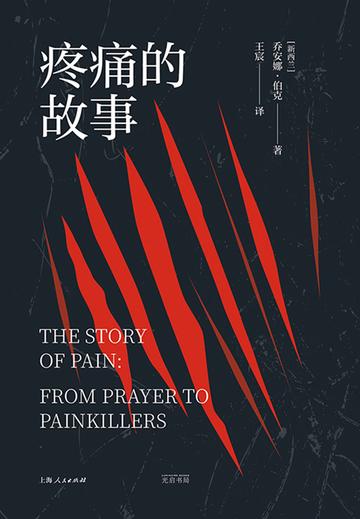
How do we talk about our pain? How to deal with pain?
Winner of the Wolfson History Prize and the Frankel Prize, this is a blockbuster book, a cultural history of pain spanning three hundred years.
In an era when we are avoiding pain, let us see that pain has its own meaning.
From toothaches, headaches, menstrual cramps, muscle pain, to mental anguish, everyone is troubled by pain and tries to describe it with various metaphors. How have people's perceptions and narratives of pain changed, from a "positive emotional experience" to an "evil" that needs to be defeated? Some people use this to show heroism, while others have no right to cry out pain; some people are considered to be naturally sensitive to pain, while some people seem to be particularly pain-resistant... What causes these differences? How do people handle themselves when they are in pain?
This book tells the story of pain since the 18th century, spanning various fields such as medicine, literature, religion, and biology. It examines how people's narratives of pain have changed, and how ideological factors such as belief, gender, race, class, etc. Have affected it. It shows the dynamic connection between the body, consciousness, culture, and language, and provides us with a new way to understand pain.
Reader comments
This book resonated with me, especially the pain I felt when facing setbacks and difficulties during my job search. The book mentions that everyone has their own pain experience, which reminded me of the times I faced various stresses and challenges during college. By reading this book, I gained a deeper understanding of pain and how to better deal with it. This is not only a cultural history about pain, but also a book that can inspire us to think and grow.



This book resonated with me, especially the pain I felt when facing setbacks and difficulties during my job search. The book mentions that everyone has their own pain experience, which reminded me of the times I faced various stresses and challenges during college. By reading this book, I gained a deeper understanding of pain and how to better deal with it. This is not only a cultural history about pain, but also a book that can inspire us to think and grow.