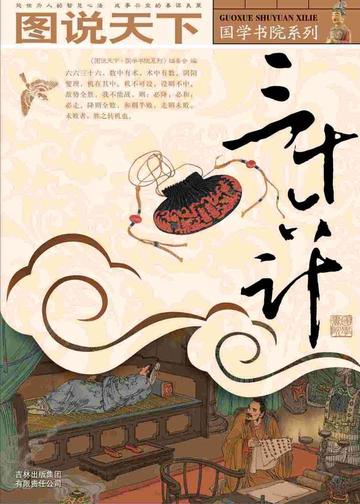
Six six thirty-six, there is a skill in the number, and there is a number in the skill. The principle of yin and yang lies within it. The opportunity cannot be set, and the set will fail. If the enemy is completely victorious and I cannot fight, then: I must surrender; I must make peace; I must leave. If you surrender, you will be completely defeated, if you make peace, you will be half defeated, and if you leave, you will not be defeated. Those who are not defeated will have a chance to win.
This book is based on the popular "Thirty-six Strategies". Based on the original classical Chinese, this book retains the original language and the content of the commentaries of the ancient text, and translates them. It then intersperses and comments on examples of the use of strategies in ancient and modern times, both at home and abroad, and at the same time concisely explains the conditions and essence of the use of strategies.
Reader comments
I hate cunning villains the most, but it's quite satisfying to see the protagonists defeat them with their wits. I particularly like the strategy of "surrounding Wei and rescuing Zhao". It's so wonderful! I feel that this book can not only learn a lot of strategies, but also inspire thinking.
When I was talking about one thing, I suddenly interspersed a paragraph with another thing. I was confused at first when I read it. It was intermittently, and when I read it...
I hate cunning villains the most, but it's quite satisfying to see the protagonists defeat them with their wits. I particularly like the strategy of "surrounding Wei and rescuing Zhao". It's so wonderful! I feel that this book can not only learn a lot of strategies, but also inspire thinking.
When I was talking about one thing, I suddenly interspersed a paragraph with another thing. I was confused at first when I read it. It was intermittently, and when I read it...
In-depth and detailed, benefited a lot