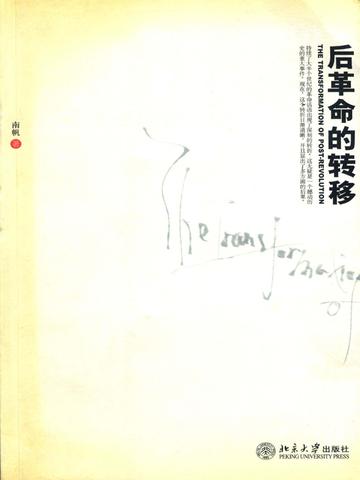
Introduction This book takes a group of writers and works such as Wang Meng, Zhang Xianliang, Beicun, Han Shaogong, "Shou Huo" and "White Deer Plain" as cases to examine the literature in revolutionary discourse over the past century. From the category of class to the market, modernity, and globalization, the author describes the complex and subtle changes in the relationship between intellectuals and the public, and outlines the evolution of literature from enlightenment discourse, revolutionary discourse, to new enlightenment discourse, and post-revolutionary discourse. The whole book integrates theoretical references with analysis of writers and works, as well as clues to literary history.
Reader comments
This book explores the evolution of literature under revolutionary discourse from a unique perspective, giving me a deeper understanding of literature during a historical turning point. The case analysis in the book is very exciting, such as the works of writers such as Wang Meng and Zhang Xianliang, which show the character's character and experience in a specific historical background, which made me feel the keen insight of literature into social change. This is not only a book about literature, but also a profound reflection on history and human nature. It is worth reading!
This book explores the evolution of literature under revolutionary discourse from a unique perspective, giving me a deeper understanding of literature during a historical turning point. The case analysis in the book is very exciting, such as the works of writers such as Wang Meng and Zhang Xianliang, which show the character's character and experience in a specific historical background, which made me feel the keen insight of literature into social change. This is not only a book about literature, but also a profound reflection on history and human nature. It is worth reading!