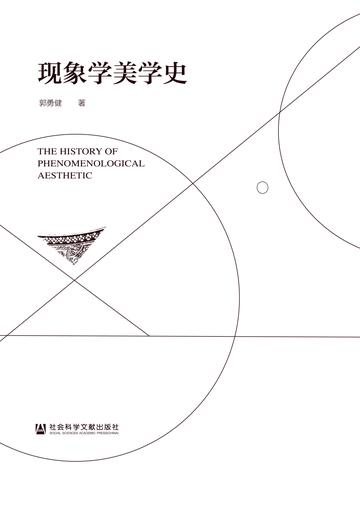
This book is the first attempt to write a history of phenomenological aesthetics, commenting on the aesthetic thoughts of phenomenologists since Husserl. The history of phenomenological aesthetics can be divided into three stages. The first stage is "phenomenological aesthetics" (Geiger, Ingarden, Dufhener), which focuses on the issues of aesthetics itself and pays more attention to the systematic construction of aesthetics. The second stage is "Existential Aesthetics" (Heidegger, Sartre, Merleau-Ponty), which pays more attention to specific artistic issues and has profound aesthetic thoughts. The third stage, "hermeneutics and reception aesthetics" (Gadamer, Jauss, Iser), expanded the field of aesthetics, not only placing historical issues into aesthetics, but also allowing aesthetics to lead to cultural issues.
Reader comments
This book is very inspiring! It systematically combs the development process of phenomenological aesthetics, and also introduces representative figures and their thoughts at each stage. I particularly like Heidegger's thoughts on art and existence, which are very profound. However, I kind of hate Sartre, his existentialism is sometimes too absolute. This book gave me a deeper understanding of aesthetics and made me think about the relationship between art and life. Recommended to friends who are interested in aesthetics!




This book is very inspiring! It systematically combs the development process of phenomenological aesthetics, and also introduces representative figures and their thoughts at each stage. I particularly like Heidegger's thoughts on art and existence, which are very profound. However, I kind of hate Sartre, his existentialism is sometimes too absolute. This book gave me a deeper understanding of aesthetics and made me think about the relationship between art and life. Recommended to friends who are interested in aesthetics!