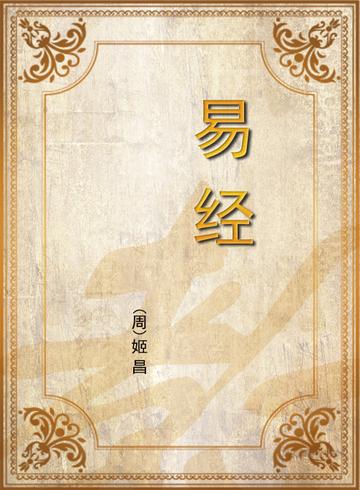
In view of this, we selected the ancient version and other versions, carefully edited and reviewed them, and gathered the strengths of many experts to compile the "Yijing (Full Translation in Vernacular)" in the form of contrasting the text and the vernacular.
The detailed explanation of the sixty-four hexagrams of the "Book of Changes" is the main body of the book. It is divided into two chapters according to the Sutra 1 and 2. Each hexagram is a separate section, and each section has its original text, translation, and interpretation. During the reading process, readers can first have a glimpse of its door, and then enter its secrets, from the shallower to the deeper, so that they can understand, learn, and use it.
"The Book of Changes (Full Translation in Vernacular)" maintains the original flavor of the traditional "Book of Changes" and strives to provide readers with a platform for in-depth reading, in the hope that each reader can stand on the shoulders of their predecessors and read their own "Book of Changes".
Reader comments
The book "Book of Changes" interprets the sixty-four hexagrams for readers in the form of a complete translation in vernacular. The explanations in the book are profound and simple, just like a kind teacher, so that beginners like me can easily understand. It reminds me of "The Analects of Confucius", which is also the crystallization of the wisdom of the ancients. I think reading the "Book of Changes" can not only increase wisdom, but also help us better understand life.

The book "Book of Changes" interprets the sixty-four hexagrams for readers in the form of a complete translation in vernacular. The explanations in the book are profound and simple, just like a kind teacher, so that beginners like me can easily understand. It reminds me of "The Analects of Confucius", which is also the crystallization of the wisdom of the ancients. I think reading the "Book of Changes" can not only increase wisdom, but also help us better understand life.