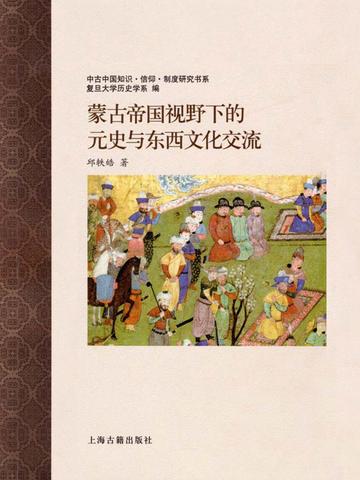
This book is divided into upper and lower parts according to the theme. The first part consists of six chapters, focusing on the Eurasian traditional factors in the Mongolian political system and the localization process that occurred in different khanates. The second part attempts to horizontally examine the contacts and exchanges of people, materials, and knowledge between the east and west parts of Asia under Mongol rule in a specific historical scenario.
Reader comments
The author's discussion is very organized, and the ideas in the book are also very novel. For example, the book mentioned that "the Mongol Empire not only represented the highest achievement in the evolution of nomadic political and cultural traditions, but also announced the end of the 'classical' period in Inner Asia." This sentence gave me a new understanding of the historical status of the Mongol Empire. I think this book also has some inspiration for entrepreneurs. They must be good at learning and drawing on the essence of different cultures in order to stand out in the competition.


The author's discussion is very organized, and the ideas in the book are also very novel. For example, the book mentioned that "the Mongol Empire not only represented the highest achievement in the evolution of nomadic political and cultural traditions, but also announced the end of the 'classical' period in Inner Asia." This sentence gave me a new understanding of the historical status of the Mongol Empire. I think this book also has some inspiration for entrepreneurs. They must be good at learning and drawing on the essence of different cultures in order to stand out in the competition.