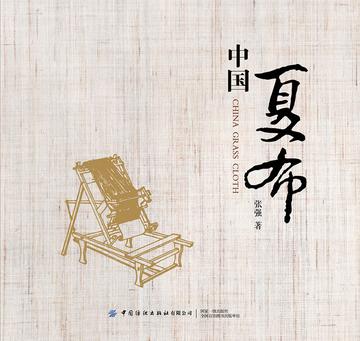
Chinese linen has a history of thousands of years and is a witness to the long history of Chinese culture. It is known as a living fossil in the history of textiles. However, in the past, academic circles paid little attention and research to linen fabrics, especially linen, and lacked systematic research and image records. Based on a large number of field surveys and detailed video records covering the main producing areas of linen across the country, this book clarifies the historical context of the origin and evolution of linen, corrects the erroneous conclusion of traditional textbooks about the origin of linen, and saves records of the traditional weaving skills and declining status of linen. It also contributes to the protection and inheritance of linen as an intangible cultural heritage.
Reader comments
This book gave me a deeper understanding of Chinese linen. Mr. Zhang Qiang's research was very systematic and corrected many traditional mistakes. As the book says, aesthetics requires skill training and ideological improvement. This reminds me of the book "The Course of Beauty", which also shows the evolution of aesthetics through the combing of art history. Photography, like writing, requires continuous improvement of expression in order to better express the theme. In short, this is a valuable book, recommended to friends who are interested in Chinese traditional culture and art.



This book gave me a deeper understanding of Chinese linen. Mr. Zhang Qiang's research was very systematic and corrected many traditional mistakes. As the book says, aesthetics requires skill training and ideological improvement. This reminds me of the book "The Course of Beauty", which also shows the evolution of aesthetics through the combing of art history. Photography, like writing, requires continuous improvement of expression in order to better express the theme. In short, this is a valuable book, recommended to friends who are interested in Chinese traditional culture and art.