Introduction
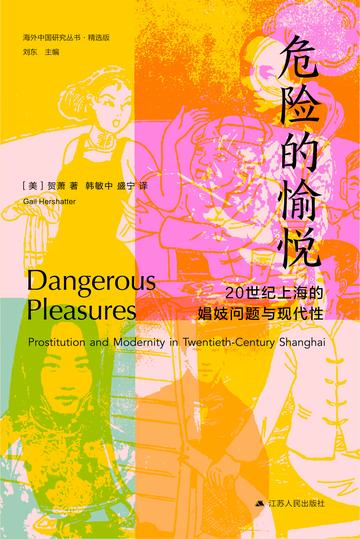
"Dangerous Pleasure" is a history of Shanghai's prostitution industry, but it is a historical work produced in the post-structuralist era. It benefited from the rich theoretical exploration, ideological dialogue and multiple perspectives in the second half of the 20th century. The author was especially influenced by Marxism, feminism and social issues. Influenced by the concept of "subordinate groups" in individual studies, poststructuralism, and postcolonial studies, "historical materials" and the "history" produced by oneself are regarded as dialogue, negotiation, memory, construction, and creative activities in an extremely vivid, complex, and open "process." "Dangerous Pleasure" is divided into five parts, with a total of 15 chapters. It discusses how the "prostitute" issue at various levels intertwined the rich semantic field of national consciousness, political power relations, commercial and economic interests, policies for strengthening the country, social reform, national psychology, desires and fears, social gender structure, etc. In the 100 years from the late Qing Dynasty to the early 1990s. It has become a very core symbol of Chinese politics, economy, history and spiritual culture.
"Dangerous Pleasure" won the American Historical Association's Joan Kelly Memorial Prize for Writing in Women's History, the first time the Historical Society has given this award to an author writing about women's history outside the United States.