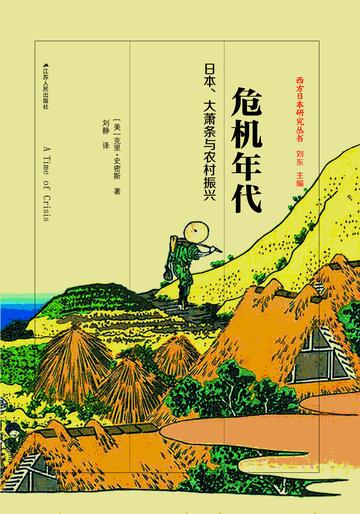
This study of Japan's transformation from the economic crisis of the 1930s focuses on the efforts of local activists and policymakers to overcome the effects of the Great Depression on rural areas, particularly in Tokyo. The authors argue that these efforts transformed the country's thinking about the countryside and Japan's conception of its economic and cultural relationship with the country, with important implications for our understanding of the war years and postwar reconstruction. The response of rural residents to "despair" reveals the average Japanese's reflection on the issues of modernization and how they reinvent the countryside.
Reader comments
I especially like the stories in the book about how rural residents cope with difficult situations. They feel very real. However, I kind of hate that character who always gets in the way of policy implementation. Overall, the storyline of this book was engaging and gave me a deeper understanding of that era. I recommend you check it out too!





I especially like the stories in the book about how rural residents cope with difficult situations. They feel very real. However, I kind of hate that character who always gets in the way of policy implementation. Overall, the storyline of this book was engaging and gave me a deeper understanding of that era. I recommend you check it out too!