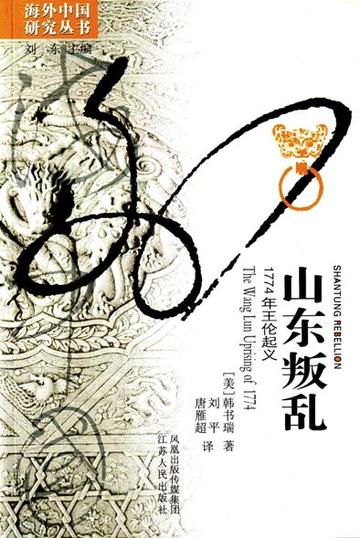
In the autumn of 1774, thousands of men and women in southwestern Shandong followed a religious leader named Wang Lun and launched an uprising. Relying on incantations said to protect them from bullets and cannon fire, these White Lotus rebels killed local officials in three counties and seized Linqing, a strategically important city on the Grand Canal. In the end, the Qing government crushed the uprising completely.
In Shandong Rebellion: The 1774 Wang Lun Uprising, Susan Naquin draws on eyewitness accounts, the rebels' confessions, and official memorials to explore the background of Wang Lun's organization and the course of the rebellion. She offers a penetrating analysis of the role of the White Lotus religion in Qing society and explains how one of its branches, the Clear Water Sect, gave its scattered followers a sense of accomplishment and community. After examining the social, economic, political, and military conditions of the era, the author argues that the uprising stemmed more from the impetus of sectarian organization and millenarian beliefs than from a crisis in society itself.
This compelling and highly readable work, Shandong Rebellion: The 1774 Wang Lun Uprising, offers fresh interpretations of several important areas in Chinese historical studies: the nature of White Lotus beliefs, organization, and activities; the history of popular society in the Qing era in contrast to that of the elite; and the relationship between religious movements and peasant rebellions. It has therefore greatly advanced our understanding of this complex society and era.