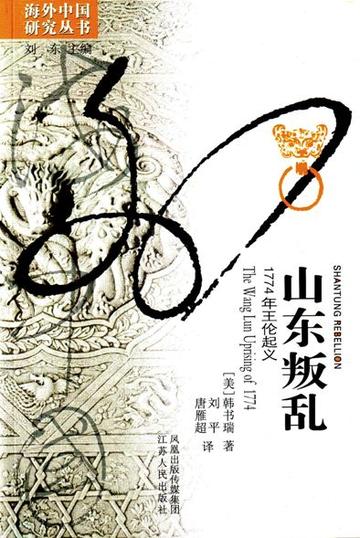
In the autumn of 1774, thousands of men and women in the southwest and southwest of Shandong launched an uprising following a religious leader named Wang Lun. Relying on a spell that was said to protect them from gunfire, these White Lotus rebels killed local officials in three counties and occupied Linqing, a strategic city on the Grand Canal. In the end, the rebels were completely suppressed by the Qing government.
Han Shurui, the author of "Shandong Rebellion: Wang Lun's Uprising of 1774," uses eyewitness accounts, rebel confessions, and official reports to explore the background of Wang Lun's organization and the process of the rebellion. He provides an incisive analysis of the role of the White Lotus Sect in Qing Dynasty society, and explains how its branch sect, the Qingshui Sect, provides a sense of accomplishment and community to believers living everywhere. After studying the social, economic, political, and military conditions of the era, the author proposes that the causes of the uprisings stemmed more from the dynamics of sectarian organizations and millenarian beliefs than from crises in society itself.
"Shandong Rebellion: Wang Lun's Rebellion of 1774" is a compelling and highly readable work that sheds new light on several important areas in the study of Chinese history: the nature of White Lotus beliefs, organizations, and activities; the history of popular society vis-à-vis elites during the Qing Dynasty; and the relationship between religious movements and peasant uprisings. Therefore, it greatly contributes to our understanding of that complex society and era.