Chinese traditional cultural thoughts have a long history and are highly original, original and literary. The early ideological forms were very distinctive, with extensive and profound contents such as religious theology, Chinese medicine classics, ancient military art, Confucianism, Taoism, Buddhism and hundreds of schools of thought, Feng Shui metaphysics, Twenty-Four Histories, customs and geography, etc. This series of "Original Books on Classic Chinese Studies and Essence Culture" retains the style of the original books and focuses on preserving and disseminating traditional Chinese thought and culture. By reading the essence of literature left by ancient sages, you can cultivate your temperament and understand Chinese classics in a subtle way.
Reader comments
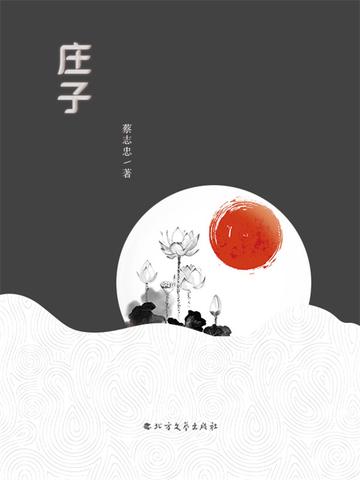
The work "Zhuangzi" conveys Zhuangzi's philosophical thoughts and worldview through a series of fables, stories and philosophical discussions. Its core content can be summarized as the following aspects:
1. Tao and nature: Zhuangzi emphasized the concept of "Tao" and believed that "Tao" is the origin of the universe and the law by which all things operate. He advocates conforming to nature and governing by doing nothing, and believes that people should comply with the laws of nature, not force or be artificial, and achieve a state of harmonious coexistence with nature.
2. Relativism and dialectics: Zhuangzi explored the relativity and dialectical relationship of things through many fables, such as "The Great Peng Spreads Its Wings" and "Xiao and Xuejiu" in "Xiaoyaoyou". He pointed out that the value and meaning of things are relative and depend on the observer's perspective and standards.
3. Spiritual freedom and liberation: Zhuangzi advocates spiritual freedom and liberation, believing that people should get rid of the shackles of material desires and pursue spiritual freedom and detachment. He advocates achieving spiritual freedom and tranquility through inner cultivation and wise insight.
4. Uselessness and free travel: Zhuangzi proposed the concept of "uselessness", believing that seemingly useless things often have profound connotations and values. The spreading wings of the roc in "Xiaoyaoyou" symbolize transcendent worldly pursuits and spiritual freedom.
5. View of life and death and the theory of equality of things: Zhuangzi has a unique view on life and death. He believes that life and death are part of nature and there is no need to be too attached. In "Equality of Things", he explores the essence of life and the meaning of existence through the comparison between dreams and reality.
"Zhuangzi" is not only a philosophical work, but also a literary treasure. With its profound philosophical thinking, vivid fables and beautiful diction, it has had a profound impact on later generations of literature, art and thought.
The work "Zhuangzi" conveys Zhuangzi's philosophical thoughts and worldview through a series of fables, stories and philosophical discussions. Its core content can be summarized as the following aspects: 1. Tao and nature: Zhuangzi emphasized the concept of "Tao" and believed that "Tao" is the origin of the universe and the law by which all things operate. He advocates conforming to nature and governing by doing nothing, and believes that people should comply with the laws of nature, not force or be artificial, and achieve a state of harmonious coexistence with nature. 2. Relativism and dialectics: Zhuangzi explored the relativity and dialectical relationship of things through many fables, such as "The Great Peng Spreads Its Wings" and "Xiao and Xuejiu" in "Xiaoyaoyou". He pointed out that the value and meaning of things are relative and depend on the observer's perspective and standards. 3. Spiritual freedom and liberation: Zhuangzi advocates spiritual freedom and liberation, believing that people should get rid of the shackles of material desires and pursue spiritual freedom and detachment. He advocates achieving spiritual freedom and tranquility through inner cultivation and wise insight. 4. Uselessness and free travel: Zhuangzi proposed the concept of "uselessness", believing that seemingly useless things often have profound connotations and values. The spreading wings of the roc in "Xiaoyaoyou" symbolize transcendent worldly pursuits and spiritual freedom. 5. View of life and death and the theory of equality of things: Zhuangzi has a unique view on life and death. He believes that life and death are part of nature and there is no need to be too attached. In "Equality of Things", he explores the essence of life and the meaning of existence through the comparison between dreams and reality. "Zhuangzi" is not only a philosophical work, but also a literary treasure. With its profound philosophical thinking, vivid fables and beautiful diction, it has had a profound impact on later generations of literature, art and thought.