Building on the achievements of historical research in China, this set of The Encyclopedia of Chinese History brings together an abundance of illustrations and written materials preserved throughout the long history of Chinese civilization, offering a vivid account of historical developments. With more than 2,000 rare images and over three million words of text, it provides a comprehensive introduction to the fundamentals of Chinese history, covering politics, the military, the economy, culture, foreign relations, science and technology, law, religion, art, and customs.
The work is divided into 24 volumes (87 books), with the following contents:
The Encyclopedia of Chinese History, Volume One: The Course of Civilization (Books One and Two)
The Encyclopedia of Chinese History, Volume Two: Dynasties and Their Lineages (Books One and Two)
The Encyclopedia of Chinese History, Volume Three: The Glorious Celestial Empire (Books One and Two)
The Encyclopedia of Chinese History, Volume Four: A Record of Major Events (Books One and Two)
The Encyclopedia of Chinese History, Volume Five: Imperial Power and Institutions (Books One and Two)
The Encyclopedia of Chinese History, Volume Six: Official Titles and Government Offices (Books One and Two)
The Encyclopedia of Chinese History, Volume Seven: Imperial Power and Penal Law (Books One and Two)
The Encyclopedia of Chinese History, Volume Eight: A Thousand Years of Agrarian Society (Books One and Two)
The Encyclopedia of Chinese History, Volume Nine: Examinations and the Civil Service System (Books One and Two)
The Encyclopedia of Chinese History, Volume Ten: Within and Beyond the Nation’s Gates (Books One and Two)
The Encyclopedia of Chinese History, Volume Eleven: A Self-Sufficient Economy (Books One and Two)
The Encyclopedia of Chinese History, Volume Twelve: The Rise and Fall of the Hundred Schools (Books One and Two)
The Encyclopedia of Chinese History, Volume Thirteen: Immortalized in the Records of History (Books One and Two)
The Encyclopedia of Chinese History, Volume Fourteen: Mysteries of the Imperial Palace (Books One and Two)
The Encyclopedia of Chinese History, Volume Fifteen: Tracing the Clues to Unsolved Cases (Books One and Two)
The Encyclopedia of Chinese History, Volume Sixteen: A Complete Record of Top Scholars (Books One and Two)
The Encyclopedia of Chinese History, Volume Seventeen: The Rise and Fall of Eunuchs (Books One and Two)
The Encyclopedia of Chinese History, Volume Eighteen: A History of Performers (Books One and Two)
The Encyclopedia of Chinese History, Volume Nineteen: The Origins and Evolution of Classical Texts (Books One and Two)
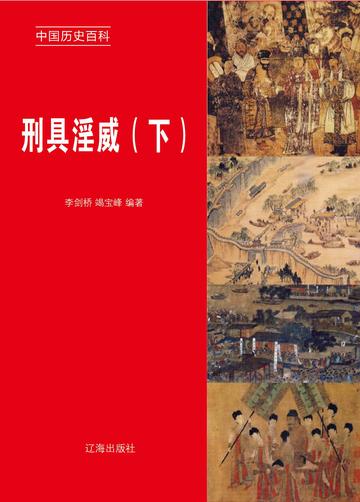
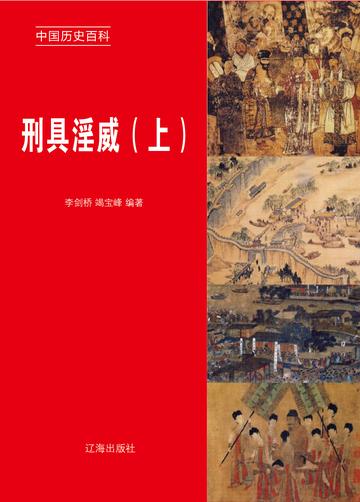
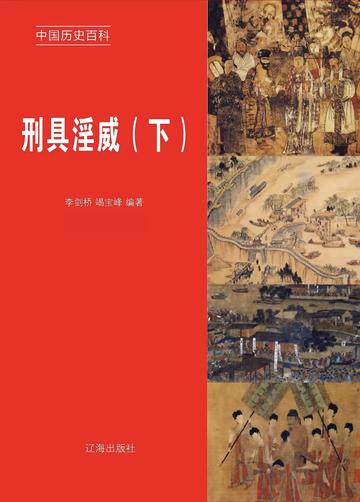
The Encyclopedia of Chinese History, Volume Twenty: Instruments of Torture and Their Terrifying Power (Books One and Two)
The Encyclopedia of Chinese History, Volume Twenty-One: The Finest Works of Historical Records (Books One and Two)
The Encyclopedia of Chinese History, Volume Twenty-Two: Revisiting the Sea of History (Books One and Two)
The Encyclopedia of Chinese History, Volume Twenty-Three: Eccentric Celebrities and Their Amusing Stories (Books One and Two)
The Encyclopedia of Chinese History, Volume Twenty-Four: Casual Discussions and Strange Tales (Books One and Two)
Given the scale of this work and the limited time available for its compilation, errors may remain. We welcome readers’ comments and corrections.
This book is rich in content, covering all aspects of Chinese history. The pictures are precious and the text is detailed, giving people a more comprehensive understanding of Chinese history. I especially like the introduction of ancient torture instruments in the book, which reminds me of Lin Chong in "Water Margin". He was sent to wear shackles. This book is very similar to "General History of China", which is a systematic introduction to Chinese history, but "The Power of Torture Instruments" focuses more on introducing special aspects of history. All in all, this is a good book worth reading.
This book is rich in content, covering all aspects of Chinese history. The pictures are precious and the text is detailed, giving people a more comprehensive understanding of Chinese history. I especially like the introduction of ancient torture instruments in the book, which reminds me of Lin Chong in "Water Margin". He was sent to wear shackles. This book is very similar to "General History of China", which is a systematic introduction to Chinese history, but "The Power of Torture Instruments" focuses more on introducing special aspects of history. All in all, this is a good book worth reading.