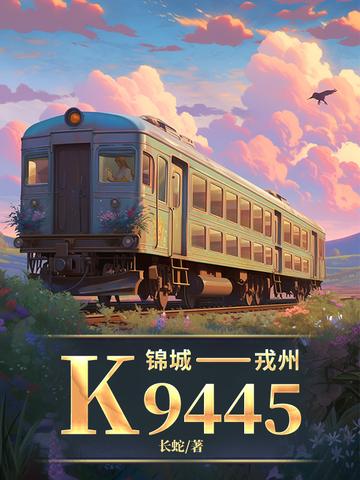
K9445 was a late-night train from Jincheng to Rongzhou, a green, double-decker, air-conditioned train and the top choice for people trying to get home on time.
During every holiday, the carriages were packed with students and migrant workers heading home. Amid the clamor of conductors and vendors calling, “Coming through,” passengers traveled from Jincheng to Rongzhou, from night into dawn, from a faraway place back to their hometown.
When the train emerged from a tunnel in the morning and the first rays of sunlight fell on the passengers’ faces, they could see the Min River flowing beneath them like a jade ribbon, with emerald-green mountains on either side stretching all the way to the horizon.
By then, most people had woken up, and much of the exhaustion from the long journey had faded. All that remained was the warmth of seeing the familiar scenery of home and the excitement of imagining the loved ones waiting at the station. I think anyone who has taken this train understands that indescribable feeling.
But as technology and the times advanced, people began choosing faster high-speed trains or driving themselves. The traditional green trains were left behind in a yellowed past, gradually fading from history until they could no longer be seen.
In 2018, K9445 officially ceased service. I miss how slow it was, so very much. The speed of high-speed rail means you can’t remember the face of the person sitting beside you, while a green train moves slowly enough for travelers to tell each other their whole lives. Perhaps it’s just like the saying: “In the old days, journeys were slow, and a lifetime was only long enough to love one person.”
They were seventeen- and eighteen-year-old girls. The train ran through the story of how they met and came to know one another, with beginnings and endings unfolding over the many rides they took.
The train has stopped running, but the story of their youth is far from over.