Whose heroine is it? Start waiting for resurrection!
That's right, it's my Mingyan!
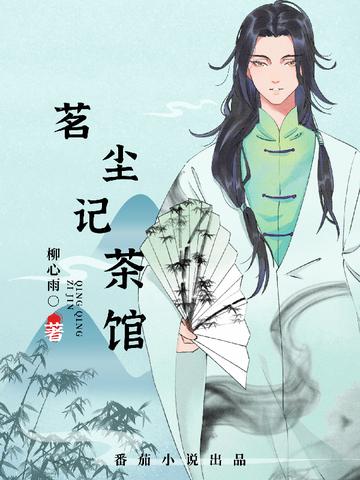
It starts with Mingchenji Teahouse and unfolds the story with affection as the guide. Satisfy all your fantasy fantasies.
Each of the various schools of Xuanmen has its own merits, including the Xuanling divination for healing poisons, the Miao corpse-raising technique, the wonderful Qimen Dunjia formation, Penglai witchcraft god...
Reader comments
I accidentally clicked on "Mingchen Ji Tea House" and I was quickly attracted by its unique setting with just over a thousand words in the opening chapter. This is not a simple ancient romance story, but a clever fusion of fantasy, spiritual legends and urban teahouses, creating a narrative space that is both familiar and novel.
The opening of the story is very graphic. Master Zhang Xiaotian of Longhu Mountain Zhengyi Sect received the life-saving grace of Cha Ling Mingyan, and took this cause and effect to the newly opened Mingchenji Teahouse. The conditions he proposed were also quite interesting. He would use the teahouse to practice cultivation, you would sell tea, and I would collect the demons. This "master is on the scene" setting instantly casts a veil of mystery over this seemingly ordinary teahouse, and also makes people full of expectations for the various customers and monsters that will appear in the follow-up.
The image of the protagonist Zhang Xiaotianshi comes to life in just a few words. He not only has the detachment and power of a Taoist, but also adheres to the principle of repaying kindness. There is a hint of humor and confidence in his words. His character is distinctive and very lovable. The yet-to-be-completed bond between the teahouse owner and Cha Ling Mingyan, as well as the core goal of "reshaping the human form", have laid a deep emotional line and main suspense for the story.
The author's writing style is concise and powerful, effectively laying out the world view and character relationships in a limited space. The grand narrative of conquering demons is arranged in a teahouse full of fireworks. This kind of concept of hiding in the city is very exquisite. It has the elegance of fantasy themes without losing the warmth of human fireworks. It has huge potential.
All in all, "Mingchen Ji Tea House" has an amazing opening, with novel settings and vivid characters. The story has a clear frame, showing a moving picture that combines Taoism, spirits and human friendship. He is like a pot of tea that has just been built on a new ship. The aroma is first revealed and the flavor is long, making people eager to drink the following chapters. Let's see what exciting legends will be played out in this teahouse. This is a potentially good book that is worth putting on your bookshelf and reading carefully. It is highly recommended to readers who like fantasy romance and supernatural themes.
Whose heroine is waiting to be resurrected in the beginning? This setting is also awesome. The writing style is very good, and the characters are vivid. It can be seen that whether it is the description of tea culture, various fantasy formations, and the culture of ghosts and gods, most of them have been studied hard, and they are very real. The emotional descriptions of the characters are also very delicate. The characters' personalities are well portrayed, each has its own characteristics, and the settings of the various Taoist sects are also very consistent with common sense. There is also a description about wine tasting that made my blood boil. It is the feeling of drinking wine and discussing the world, and enjoying the grudges. There is wine, poetry, and rivers and lakes ~ the heroine has a very upright outlook on life, but she is not the Virgin White Lotus kind, so it is very enjoyable to watch. It is indeed a good book worth reading. The more you read it, the more you read it. You must read it. I highly recommend it! Good-looking package [strong]
This fantasy romance work is really attractive with the setting of "the heroine starts out waiting to be resurrected". It can be said to have opened up a new track. The male protagonist lost his love due to his study of tea ceremony and was devastated. By chance, with the help of Master Zhang Xiaotian of Longhushan Zhengyi Sect and a group of friends from various Taoist sects, he finally resurrected his beloved. The heroine after resurrection does not remember the hero. The plot is twists and turns, and every step is unexpected. The more you watch, the more you get confused.
The author is very detailed in his descriptions of the political intrigues of the major Xuanmen families and the tea culture. He writes the picking, roasting, brewing and other details of tea in detail.
The description of the formations in the book is particularly exciting. It is strange, changeable and imaginative. It has both visual impact and hidden mysteries, and is in line with the principles of yin and yang and the five elements and eight trigrams. The atmosphere of "Poetry, Wine and Jianghu" is created just right, with both the light and shadow of swords and the tenderness of drinking wine under the moon, showing the multi-faceted nature of Jianghu.
The characters are three-dimensional and full-bodied, the heroine is tough and smart, and continues to grow on the edge of life and death. The supporting characters also have their own stories. The author uses delicate brushstrokes to depict emotional entanglements, including vigorous love and hate, as well as subtle and restrained emotions. Overall, "Ming Chen Ji Teahouse" is a masterpiece with rich details and comprehensive perspectives, which is worth savoring.
In the current era of numerous online articles with various themes, "Ming Chen Ji Teahouse" takes the tea ceremony as its bones, affection as its soul, and fantasy as its wings. It creates a unique and quiet environment among many works. Reading it is like drinking a cup of warm old tea, with a long and lingering aftertaste and lingering aftertaste.
The story begins with the deep obsession of Wuyi Tea Mountain. The tea fairy Zhang Ruochen and his wife Ming Yan were originally a couple of gods. After Ming Yan died of illness, he devoted all his efforts to cultivating Bergamot Snow Pear Tea and opened the "Ming Chen Ji Teahouse" at the foot of the mountain, just to keep the memories of the past with his lover. Zhang Xiaolong, the first disciple of the Longhu Mountain Celestial Master, came with a dragon-patterned soul bottle. There was a wisp of Mingyan's remaining soul hidden in the bottle - by gathering the three souls and seven souls, his lover could be resurrected from the dead. A small teahouse has become a place where obsessions rest, a place where souls gather, and a meeting point for strange things. One tea, a bottle, and two people start a long journey across yin and yang and pursue perfection.
The most touching thing is the extreme affection permeated between the lines. Zhang Ruochen's love is never a grand declaration, but a perseverance day after day: cultivating tea with all his heart for a joke, traveling through dangerous situations for a remnant soul, every utensil, every tea, every taste in the teahouse is engraved with the word "Mingyan". This love is restrained and hot, forbearing and firm, without entanglement, but it touches the softest part of the heart every word, giving the most vivid image of "love does not know where it starts, but goes deep."
The blend of tea ceremony and fantasy makes the story full of charm. The author naturally integrates tea culture into the plot. The sweetness of Bergamot pear tea, the beauty of Wuyi Tea Mountain, and the elegance and tranquility of the teahouse are perfectly blended with fantasy settings such as the soul gathering in the bottle, the five elements magic array, and the return of the soul. There is no rigid stacking of elements, but tea as a guide to connect the secret realms of yin and yang, strange people and strange things. It has the weird romance of Eastern metaphysics and the gentle healing of fireworks teahouses. The rhythm is relaxed and moderate, making it both thrilling and heart-warming to read.
What's even more rare is that the story can be seen from the small to the big, a teahouse hides all living beings, and a deeply touching story touches people's hearts. All kinds of people come and go in the teahouse. Obsession, regret, gratitude, and redemption are intertwined, reflecting all kinds of things in the world. The bond between Zhang Ruochen, Ming Yan, and Zhang Xiaolong, from obsession to relief, from loneliness to companionship, also expresses the profound meaning of "obsession with moderation and cherishing the moment" - the most precious thing is never regaining it, but living up to your original intention after trying your best.
Without the exaggeration of clichéd novels and the entanglement of bloody plots, "Mingchen Ji Tea House" is like a cup of clear tea. It is sweet when you first read it, and it is mellow when you taste it again. The aftertaste is full of affection and healing. It describes the obsession of yin and yang being separated, and also expresses the heat of rushing in both directions; it contains both the fun and ups and downs of the fantasy world, and the gentle healing of the world of fireworks.
I hope that everyone with obsessions can find comfort in this cup of tea; I hope that every deep love can be like tea, going through wind and rain, and finally reaching perfection. It is recommended to readers who prefer ancient fantasy, soulful healing, and tea culture themes. Open this book and enter into a gentle appointment between tea and dust, love and soul.
The plot is very, very exciting. Teacher Zhang Xiaotian is so handsome. The characters are very vivid. Every kindness must be repaid. It uses modern knowledge and combines it with the unique location of the teahouse. It is novel and has a plot. It is a book worth reading twice! Highly recommended
The novel is like a cup of newly brewed tea, the aroma is already evident and the aftertaste can be expected. The unique setting, warm emotional core, and powerful narrative potential are very eye-catching. Worth recommending[Like][Like][Like]
See all sentient beings with a cup of tea, and realize true feelings with half a volume of fantasy - To Liu Xinyu and "Mingchen Ji Teahouse"
As a reader who has the same name as the male protagonist "Zhang Ruochen" in the book, I felt a strange fate when I opened this work. "Mingchen Ji Teahouse" written by teacher Liu Xinyu is far more than a teahouse, it is a warm dojo that combines fantasy and human smoke. Here, the Little Celestial Master of Longhu Mountain and the teahouse owner who is obsessed with love create a legend together, and the charm and depth of Eastern metaphysics are fully displayed in the process of collecting monsters and solving puzzles.
What impresses me most about the novel is that it skillfully balances "fantasy imagination" and "emotional precipitation". What seems to be an ordinary daily life in a teahouse is actually a stage where monsters are killed and wishes come true; and behind each unit story, there is a profound thinking about cause and effect and fetters. Zhang Ruochen's infatuated protection of Ming Yan, as well as the choices of many characters in the torrent of fate, make people feel real emotional resonance in the bizarre plot.
If you love the strange and strange style of "Liao Zhai" and the fast-paced narrative of modern online writing, this book is undoubtedly your best choice. Highly recommended to all fans who are looking for good stories!
I would like to thank Teacher Liu Xinyu for creating such a world with the fragrance of tea, Taoism and warmth with this review.
After reading this work, the deepest feeling is a wonderful "sense of contrast" - a teahouse opened in the world, but its business is to collect demons and transfer souls; a little heavenly master with profound Taoism, but he keeps saying that he is "a person who must repay kindness"; a seemingly cold and fateful meeting, but it affects the deepest obsession and tenderness in the world.
The setting of "If you need help, you can come to your door for help" also provides the possibility for unit-style narratives. It is conceivable that each chapter may be a strange incident, a pot of human tea. In the fixed scene of the teahouse, the joys and sorrows come and go. This structure is not only suitable for serial reading, but also easy to form a unique narrative rhythm - just like a cup of tea in a teahouse, the first taste is refreshing and the aftertaste is long.
Although the work is labeled "Fantasy Romance", judging from the temperament revealed in the introduction, it may be more of a "light romance" - emotions lingering faintly like the fragrance of tea, not strong but lasting. In the main plot, the reshaping of the cause and effect between Master Zhang Xiaotian and Ruoyan, and in the sub-plot, the various stories that may happen in the teahouse, all make people look forward to how the author will write the word "love" in an implicit and profound way.
All in all, "Old Chen Ji Tea House" is a work with a novel setting and unique temperament. It gently places fantasy elements such as Taoism, spirits, and cause and effect in the very pyrotechnic scene of the teahouse, making people feel as if they can smell the faint evil spirit mixed in the fragrance of tea, and see that pure place in the world of mortals where both monsters and humans can stay. For readers who like light fantasy, unit narratives, and human-interest stories, this is undoubtedly a good book worth tasting.
The heroine of this book is about to be resurrected at the beginning, and it is the first time I meet the heroine who is about to be resurrected at the beginning. The storyline is novel and interlocking. The descriptions of tea ceremony, metaphysics, and rivers and lakes are very good. The fighting scenes are also exciting to watch, and there are more than a few surprises. It is very interesting to read, and the heroine is not the Virgin White Lotus. She has a super positive outlook on life, and the emotional drama between the male and female protagonists is very rich and exciting and worth watching.
When I first read "Ming Chen Ji Teahouse", I thought it was just the story of an ordinary teahouse; after reading it carefully, I realized that this small place is actually a unique dojo that combines fantasy and human warmth.
The most commendable thing about this work is that it finds an exquisite balance between "fantasy imagination" and "emotional precipitation". The daily life in the teahouse seems ordinary, but in fact it hides mysteries - monsters are killed, wishes come true, and each unit story is a miniature interpretation of Eastern metaphysics. The bond between the Little Celestial Master of Longhu Mountain and the owner of the teahouse injects a moving warmth into these bizarre stories.
The novel does not stop at hunting for novels, but explores the reincarnation of cause and effect and the choice of fate through various fairy tales. Zhang Ruochen's infatuated protection of Ming Yan, as well as the struggles and choices of many characters in the torrent of destiny, all allow people to taste real emotional resonance in addition to fantasy.
If you are looking for a novel that has the charm of Eastern metaphysics without losing the atmosphere of human life, "Mingchen Ji Teahouse" is worth reading!
Read the latest chapter and recommend it to everyone!
The content is very exciting, the plot is not draggy, I love it, I am a fan of Dragon King
The plot is lively and interesting, full of color, and the characters are distinct. Each one is very unique. It uses many famous scenic spots in China to highlight Chinese characteristics and promote the unique culture of the Chinese nation [Adoration] [Top post] I hope it will be updated [Please update], I think novels like this should be popular! ! ! [Top post]
The content is exciting, the story structure is clear, and the characters are vivid
The plot doesn't drag on, the more you watch it, the more you want to watch it. The characters have distinct personalities, and each character is vividly portrayed.
The content is exciting, the characters are vivid, and full of fantasy. The more you read, the more you become addicted.
The brain is really big. The female protagonist waits for resurrection at the beginning, but her identity is still a mystery. Later on, she discovers that the male protagonist's identity is not simple either. I'm really looking forward to the ending!
The whole plot is high-energy and full of twists and turns. It really makes you more and more addicted as you watch. There are hundreds of Taoist schools, poetry and wine, gods and ghosts, and court disputes. It is really all-encompassing.
Every character in the book is vividly portrayed. The protagonists have upright views but are not the traditional bad guys. This setting is very good.
The descriptions of each school of Taoism are also very detailed. Each school has its own unique skills. It made me want to join Taoism. There are a lot of formations written in it, and they are all so magical. Is he really a formation master? [Laughing] I have reason to suspect that Dada really belongs to a certain sect of Xuanmen [Learned]
The setting of the fairy world and the divine world is also different from the tradition. The divine world is a higher existence than the fairy world. This setting is interesting. Only those born in the beginning of chaos are the gods, and those who are cultivated later in life are only immortals. This division... Is very clear...
Then there is the emotional scene. The heroine's baby is a perfect group pet. He is popular wherever he goes. I like this kind of group pet setting. It's beautiful and I love watching it. The heroine's baby should start a harem and collect them all [laughing]
It's super good-looking, rich in content, and the characters have distinct personalities. It's just not alive. It's a pity. I hope it becomes popular [top post]
This book is considered to be fine chaff! The heroine starts the game in a state of waiting for resurrection, which is relatively novel. As the story progresses, the plot gradually becomes more compact, and the plot design is also interlocking, which is very attractive! Recommend!
The plot is exciting and the characters have distinct personalities. The more you watch, the more you become addicted to it.
The rhythm is controlled so well! Starting from the weird foreshadowing in the first chapter, it's like being pulled by an invisible thread by the author, and I can't stop at all. Every reversal is well-founded, yet unexpected. When the last piece of the puzzle falls into place, the feeling of sudden enlightenment is the greatest respect for the reader's intelligence. It's worth a second brush to savor the details!
The book is cleverly conceived, with a compact and reasonable structure. The plot is neither procrastinating nor embarrassing. The author writes with exquisite writing style and attentiveness. He uses concise language to describe a wonderful plot. The characters are vividly depicted. Each character has his own characteristics. There are not many good books. This one is considered a [love] [love] [love]
This book is well written and becomes more and more interesting.
When I read Meng Po Soup, I liked it so much: "Meng Po, did you add water to the soup? Why did I still not forget my previous emotions after drinking so much?"
Only after reading to the end did I realize that the world view of this book is very broad [Like] [Like] [Like]
The plot is exciting, the characters are portrayed in detail, and the main line is clear
I laughed and cried while reading it, as if I was experiencing the joys and sorrows with the protagonist. This touching feeling deserves five stars!
The writing is very good, the author is very thoughtful, Buddha's hand and snow pear, a dream in tea that is remembered by all the mountains and rivers.
Using the Wuyi Tea Mountain as the scroll and the fragrance of Buddha's hand tea as the ink, this story fully expresses Zhang Ruochen's deep-seated obsession and affection for Mingyan. The redemption of meeting in troubled times, the joy of playing in the tea garden, and a half-life commitment to a joke, making "cultivating Sydney-flavored tea" an agreement that spans life and death.
The interweaving of three dreams is a concrete presentation of obsession - from the regret of losing his beloved wife, to the quiet and perfect years, to the emptiness of waking up from a dream of yellow rice. The progression of layers reveals the length of longing and the heaviness of regret. The Bergamot Snow Pear is not only a tea tree, but also a token of love and a living faith between two people. It is the ultimate confession of "nothing is you, nothing is not you". There are no vigorous vows, only persistence and longing day after day. The tea fairy's obsession is hidden in every piece of tea fragrance, hidden in the years of love for his deceased wife. It is shallow but long, and it is moving to read.
It's very well written, with clear content, very good! ! ! !
This is my first time reading a novel with this theme. The author writes really well, the writing style is delicate and smooth, I highly recommend [flying kiss] [flying kiss] [flying kiss]
The novel is cleverly conceived, the writing is smooth and delicate, five stars ⭐⭐⭐⭐⭐
The beginning awaits resurrection, a different heroine, a different beginning, a very interesting novel, five-star praise
The plot is compact and high-energy throughout, with many character lines but not confusing, strong logic, full characterization, and clear priorities. It is well worth reading. I highly recommend it! ! ! !
A very interesting book, the setting is very wonderful, the story is full of ups and downs, very good
A very nice novel, with an amazing beginning
A very good fantasy novel about immortality, with a unique setting, and the plot is foreshadowed and unfolded bit by bit, which is fascinating. The writing is delicate, smooth and beautiful! Watchable! [Praise]
The pairing of Little Heavenly Master and Tea Demon Mingyan is so interesting! From the initial repayment of gratitude to the current tacit understanding, the emotional line has developed delicately and naturally. The stories of every visiting monster in the teahouse are also interesting.
I accidentally clicked on "Mingchen Ji Tea House" and I was quickly attracted by its unique setting with just over a thousand words in the opening chapter. This is not a simple ancient romance story, but a clever fusion of fantasy, spiritual legends and urban teahouses, creating a narrative space that is both familiar and novel. The opening of the story is very graphic. Master Zhang Xiaotian of Longhu Mountain Zhengyi Sect received the life-saving grace of Cha Ling Mingyan, and took this cause and effect to the newly opened Mingchenji Teahouse. The conditions he proposed were also quite interesting. He would use the teahouse to practice cultivation, you would sell tea, and I would collect the demons. This "master is on the scene" setting instantly casts a veil of mystery over this seemingly ordinary teahouse, and also makes people full of expectations for the various customers and monsters that will appear in the follow-up. The image of the protagonist Zhang Xiaotianshi comes to life in just a few words. He not only has the detachment and power of a Taoist, but also adheres to the principle of repaying kindness. There is a hint of humor and confidence in his words. His character is distinctive and very lovable. The yet-to-be-completed bond between the teahouse owner and Cha Ling Mingyan, as well as the core goal of "reshaping the human form", have laid a deep emotional line and main suspense for the story. The author's writing style is concise and powerful, effectively laying out the world view and character relationships in a limited space. The grand narrative of conquering demons is arranged in a teahouse full of fireworks. This kind of concept of hiding in the city is very exquisite. It has the elegance of fantasy themes without losing the warmth of human fireworks. It has huge potential. All in all, "Mingchen Ji Tea House" has an amazing opening, with novel settings and vivid characters. The story has a clear frame, showing a moving picture that combines Taoism, spirits and human friendship. He is like a pot of tea that has just been built on a new ship. The aroma is first revealed and the flavor is long, making people eager to drink the following chapters. Let's see what exciting legends will be played out in this teahouse. This is a potentially good book that is worth putting on your bookshelf and reading carefully. It is highly recommended to readers who like fantasy romance and supernatural themes.
Whose heroine is waiting to be resurrected in the beginning? This setting is also awesome. The writing style is very good, and the characters are vivid. It can be seen that whether it is the description of tea culture, various fantasy formations, and the culture of ghosts and gods, most of them have been studied hard, and they are very real. The emotional descriptions of the characters are also very delicate. The characters' personalities are well portrayed, each has its own characteristics, and the settings of the various Taoist sects are also very consistent with common sense. There is also a description about wine tasting that made my blood boil. It is the feeling of drinking wine and discussing the world, and enjoying the grudges. There is wine, poetry, and rivers and lakes ~ the heroine has a very upright outlook on life, but she is not the Virgin White Lotus kind, so it is very enjoyable to watch. It is indeed a good book worth reading. The more you read it, the more you read it. You must read it. I highly recommend it! Good-looking package [strong] This fantasy romance work is really attractive with the setting of "the heroine starts out waiting to be resurrected". It can be said to have opened up a new track. The male protagonist lost his love due to his study of tea ceremony and was devastated. By chance, with the help of Master Zhang Xiaotian of Longhushan Zhengyi Sect and a group of friends from various Taoist sects, he finally resurrected his beloved. The heroine after resurrection does not remember the hero. The plot is twists and turns, and every step is unexpected. The more you watch, the more you get confused. The author is very detailed in his descriptions of the political intrigues of the major Xuanmen families and the tea culture. He writes the picking, roasting, brewing and other details of tea in detail. The description of the formations in the book is particularly exciting. It is strange, changeable and imaginative. It has both visual impact and hidden mysteries, and is in line with the principles of yin and yang and the five elements and eight trigrams. The atmosphere of "Poetry, Wine and Jianghu" is created just right, with both the light and shadow of swords and the tenderness of drinking wine under the moon, showing the multi-faceted nature of Jianghu. The characters are three-dimensional and full-bodied, the heroine is tough and smart, and continues to grow on the edge of life and death. The supporting characters also have their own stories. The author uses delicate brushstrokes to depict emotional entanglements, including vigorous love and hate, as well as subtle and restrained emotions. Overall, "Ming Chen Ji Teahouse" is a masterpiece with rich details and comprehensive perspectives, which is worth savoring.
In the current era of numerous online articles with various themes, "Ming Chen Ji Teahouse" takes the tea ceremony as its bones, affection as its soul, and fantasy as its wings. It creates a unique and quiet environment among many works. Reading it is like drinking a cup of warm old tea, with a long and lingering aftertaste and lingering aftertaste. The story begins with the deep obsession of Wuyi Tea Mountain. The tea fairy Zhang Ruochen and his wife Ming Yan were originally a couple of gods. After Ming Yan died of illness, he devoted all his efforts to cultivating Bergamot Snow Pear Tea and opened the "Ming Chen Ji Teahouse" at the foot of the mountain, just to keep the memories of the past with his lover. Zhang Xiaolong, the first disciple of the Longhu Mountain Celestial Master, came with a dragon-patterned soul bottle. There was a wisp of Mingyan's remaining soul hidden in the bottle - by gathering the three souls and seven souls, his lover could be resurrected from the dead. A small teahouse has become a place where obsessions rest, a place where souls gather, and a meeting point for strange things. One tea, a bottle, and two people start a long journey across yin and yang and pursue perfection. The most touching thing is the extreme affection permeated between the lines. Zhang Ruochen's love is never a grand declaration, but a perseverance day after day: cultivating tea with all his heart for a joke, traveling through dangerous situations for a remnant soul, every utensil, every tea, every taste in the teahouse is engraved with the word "Mingyan". This love is restrained and hot, forbearing and firm, without entanglement, but it touches the softest part of the heart every word, giving the most vivid image of "love does not know where it starts, but goes deep." The blend of tea ceremony and fantasy makes the story full of charm. The author naturally integrates tea culture into the plot. The sweetness of Bergamot pear tea, the beauty of Wuyi Tea Mountain, and the elegance and tranquility of the teahouse are perfectly blended with fantasy settings such as the soul gathering in the bottle, the five elements magic array, and the return of the soul. There is no rigid stacking of elements, but tea as a guide to connect the secret realms of yin and yang, strange people and strange things. It has the weird romance of Eastern metaphysics and the gentle healing of fireworks teahouses. The rhythm is relaxed and moderate, making it both thrilling and heart-warming to read. What's even more rare is that the story can be seen from the small to the big, a teahouse hides all living beings, and a deeply touching story touches people's hearts. All kinds of people come and go in the teahouse. Obsession, regret, gratitude, and redemption are intertwined, reflecting all kinds of things in the world. The bond between Zhang Ruochen, Ming Yan, and Zhang Xiaolong, from obsession to relief, from loneliness to companionship, also expresses the profound meaning of "obsession with moderation and cherishing the moment" - the most precious thing is never regaining it, but living up to your original intention after trying your best. Without the exaggeration of clichéd novels and the entanglement of bloody plots, "Mingchen Ji Tea House" is like a cup of clear tea. It is sweet when you first read it, and it is mellow when you taste it again. The aftertaste is full of affection and healing. It describes the obsession of yin and yang being separated, and also expresses the heat of rushing in both directions; it contains both the fun and ups and downs of the fantasy world, and the gentle healing of the world of fireworks. I hope that everyone with obsessions can find comfort in this cup of tea; I hope that every deep love can be like tea, going through wind and rain, and finally reaching perfection. It is recommended to readers who prefer ancient fantasy, soulful healing, and tea culture themes. Open this book and enter into a gentle appointment between tea and dust, love and soul.
The plot is very, very exciting. Teacher Zhang Xiaotian is so handsome. The characters are very vivid. Every kindness must be repaid. It uses modern knowledge and combines it with the unique location of the teahouse. It is novel and has a plot. It is a book worth reading twice! Highly recommended
The novel is like a cup of newly brewed tea, the aroma is already evident and the aftertaste can be expected. The unique setting, warm emotional core, and powerful narrative potential are very eye-catching. Worth recommending[Like][Like][Like]
See all sentient beings with a cup of tea, and realize true feelings with half a volume of fantasy - To Liu Xinyu and "Mingchen Ji Teahouse" As a reader who has the same name as the male protagonist "Zhang Ruochen" in the book, I felt a strange fate when I opened this work. "Mingchen Ji Teahouse" written by teacher Liu Xinyu is far more than a teahouse, it is a warm dojo that combines fantasy and human smoke. Here, the Little Celestial Master of Longhu Mountain and the teahouse owner who is obsessed with love create a legend together, and the charm and depth of Eastern metaphysics are fully displayed in the process of collecting monsters and solving puzzles. What impresses me most about the novel is that it skillfully balances "fantasy imagination" and "emotional precipitation". What seems to be an ordinary daily life in a teahouse is actually a stage where monsters are killed and wishes come true; and behind each unit story, there is a profound thinking about cause and effect and fetters. Zhang Ruochen's infatuated protection of Ming Yan, as well as the choices of many characters in the torrent of fate, make people feel real emotional resonance in the bizarre plot. If you love the strange and strange style of "Liao Zhai" and the fast-paced narrative of modern online writing, this book is undoubtedly your best choice. Highly recommended to all fans who are looking for good stories! I would like to thank Teacher Liu Xinyu for creating such a world with the fragrance of tea, Taoism and warmth with this review.
After reading this work, the deepest feeling is a wonderful "sense of contrast" - a teahouse opened in the world, but its business is to collect demons and transfer souls; a little heavenly master with profound Taoism, but he keeps saying that he is "a person who must repay kindness"; a seemingly cold and fateful meeting, but it affects the deepest obsession and tenderness in the world. The setting of "If you need help, you can come to your door for help" also provides the possibility for unit-style narratives. It is conceivable that each chapter may be a strange incident, a pot of human tea. In the fixed scene of the teahouse, the joys and sorrows come and go. This structure is not only suitable for serial reading, but also easy to form a unique narrative rhythm - just like a cup of tea in a teahouse, the first taste is refreshing and the aftertaste is long. Although the work is labeled "Fantasy Romance", judging from the temperament revealed in the introduction, it may be more of a "light romance" - emotions lingering faintly like the fragrance of tea, not strong but lasting. In the main plot, the reshaping of the cause and effect between Master Zhang Xiaotian and Ruoyan, and in the sub-plot, the various stories that may happen in the teahouse, all make people look forward to how the author will write the word "love" in an implicit and profound way. All in all, "Old Chen Ji Tea House" is a work with a novel setting and unique temperament. It gently places fantasy elements such as Taoism, spirits, and cause and effect in the very pyrotechnic scene of the teahouse, making people feel as if they can smell the faint evil spirit mixed in the fragrance of tea, and see that pure place in the world of mortals where both monsters and humans can stay. For readers who like light fantasy, unit narratives, and human-interest stories, this is undoubtedly a good book worth tasting.
The heroine of this book is about to be resurrected at the beginning, and it is the first time I meet the heroine who is about to be resurrected at the beginning. The storyline is novel and interlocking. The descriptions of tea ceremony, metaphysics, and rivers and lakes are very good. The fighting scenes are also exciting to watch, and there are more than a few surprises. It is very interesting to read, and the heroine is not the Virgin White Lotus. She has a super positive outlook on life, and the emotional drama between the male and female protagonists is very rich and exciting and worth watching.
When I first read "Ming Chen Ji Teahouse", I thought it was just the story of an ordinary teahouse; after reading it carefully, I realized that this small place is actually a unique dojo that combines fantasy and human warmth. The most commendable thing about this work is that it finds an exquisite balance between "fantasy imagination" and "emotional precipitation". The daily life in the teahouse seems ordinary, but in fact it hides mysteries - monsters are killed, wishes come true, and each unit story is a miniature interpretation of Eastern metaphysics. The bond between the Little Celestial Master of Longhu Mountain and the owner of the teahouse injects a moving warmth into these bizarre stories. The novel does not stop at hunting for novels, but explores the reincarnation of cause and effect and the choice of fate through various fairy tales. Zhang Ruochen's infatuated protection of Ming Yan, as well as the struggles and choices of many characters in the torrent of destiny, all allow people to taste real emotional resonance in addition to fantasy. If you are looking for a novel that has the charm of Eastern metaphysics without losing the atmosphere of human life, "Mingchen Ji Teahouse" is worth reading! Read the latest chapter and recommend it to everyone!
The content is very exciting, the plot is not draggy, I love it, I am a fan of Dragon King The plot is lively and interesting, full of color, and the characters are distinct. Each one is very unique. It uses many famous scenic spots in China to highlight Chinese characteristics and promote the unique culture of the Chinese nation [Adoration] [Top post] I hope it will be updated [Please update], I think novels like this should be popular! ! ! [Top post]
The content is exciting, the story structure is clear, and the characters are vivid The plot doesn't drag on, the more you watch it, the more you want to watch it. The characters have distinct personalities, and each character is vividly portrayed.
The content is exciting, the characters are vivid, and full of fantasy. The more you read, the more you become addicted. The brain is really big. The female protagonist waits for resurrection at the beginning, but her identity is still a mystery. Later on, she discovers that the male protagonist's identity is not simple either. I'm really looking forward to the ending! The whole plot is high-energy and full of twists and turns. It really makes you more and more addicted as you watch. There are hundreds of Taoist schools, poetry and wine, gods and ghosts, and court disputes. It is really all-encompassing. Every character in the book is vividly portrayed. The protagonists have upright views but are not the traditional bad guys. This setting is very good. The descriptions of each school of Taoism are also very detailed. Each school has its own unique skills. It made me want to join Taoism. There are a lot of formations written in it, and they are all so magical. Is he really a formation master? [Laughing] I have reason to suspect that Dada really belongs to a certain sect of Xuanmen [Learned] The setting of the fairy world and the divine world is also different from the tradition. The divine world is a higher existence than the fairy world. This setting is interesting. Only those born in the beginning of chaos are the gods, and those who are cultivated later in life are only immortals. This division... Is very clear... Then there is the emotional scene. The heroine's baby is a perfect group pet. He is popular wherever he goes. I like this kind of group pet setting. It's beautiful and I love watching it. The heroine's baby should start a harem and collect them all [laughing]
It's super good-looking, rich in content, and the characters have distinct personalities. It's just not alive. It's a pity. I hope it becomes popular [top post]
This book is considered to be fine chaff! The heroine starts the game in a state of waiting for resurrection, which is relatively novel. As the story progresses, the plot gradually becomes more compact, and the plot design is also interlocking, which is very attractive! Recommend!
The plot is exciting and the characters have distinct personalities. The more you watch, the more you become addicted to it.
The rhythm is controlled so well! Starting from the weird foreshadowing in the first chapter, it's like being pulled by an invisible thread by the author, and I can't stop at all. Every reversal is well-founded, yet unexpected. When the last piece of the puzzle falls into place, the feeling of sudden enlightenment is the greatest respect for the reader's intelligence. It's worth a second brush to savor the details!
The book is cleverly conceived, with a compact and reasonable structure. The plot is neither procrastinating nor embarrassing. The author writes with exquisite writing style and attentiveness. He uses concise language to describe a wonderful plot. The characters are vividly depicted. Each character has his own characteristics. There are not many good books. This one is considered a [love] [love] [love]
This book is well written and becomes more and more interesting. When I read Meng Po Soup, I liked it so much: "Meng Po, did you add water to the soup? Why did I still not forget my previous emotions after drinking so much?" Only after reading to the end did I realize that the world view of this book is very broad [Like] [Like] [Like]
The plot is exciting, the characters are portrayed in detail, and the main line is clear
I laughed and cried while reading it, as if I was experiencing the joys and sorrows with the protagonist. This touching feeling deserves five stars!
The writing is very good, the author is very thoughtful, Buddha's hand and snow pear, a dream in tea that is remembered by all the mountains and rivers. Using the Wuyi Tea Mountain as the scroll and the fragrance of Buddha's hand tea as the ink, this story fully expresses Zhang Ruochen's deep-seated obsession and affection for Mingyan. The redemption of meeting in troubled times, the joy of playing in the tea garden, and a half-life commitment to a joke, making "cultivating Sydney-flavored tea" an agreement that spans life and death. The interweaving of three dreams is a concrete presentation of obsession - from the regret of losing his beloved wife, to the quiet and perfect years, to the emptiness of waking up from a dream of yellow rice. The progression of layers reveals the length of longing and the heaviness of regret. The Bergamot Snow Pear is not only a tea tree, but also a token of love and a living faith between two people. It is the ultimate confession of "nothing is you, nothing is not you". There are no vigorous vows, only persistence and longing day after day. The tea fairy's obsession is hidden in every piece of tea fragrance, hidden in the years of love for his deceased wife. It is shallow but long, and it is moving to read.
It's very well written, with clear content, very good! ! ! !
This is my first time reading a novel with this theme. The author writes really well, the writing style is delicate and smooth, I highly recommend [flying kiss] [flying kiss] [flying kiss]
The novel is cleverly conceived, the writing is smooth and delicate, five stars ⭐⭐⭐⭐⭐
The beginning awaits resurrection, a different heroine, a different beginning, a very interesting novel, five-star praise
The plot is compact and high-energy throughout, with many character lines but not confusing, strong logic, full characterization, and clear priorities. It is well worth reading. I highly recommend it! ! ! !
A very interesting book, the setting is very wonderful, the story is full of ups and downs, very good
A very nice novel, with an amazing beginning
A very good fantasy novel about immortality, with a unique setting, and the plot is foreshadowed and unfolded bit by bit, which is fascinating. The writing is delicate, smooth and beautiful! Watchable! [Praise]
The pairing of Little Heavenly Master and Tea Demon Mingyan is so interesting! From the initial repayment of gratitude to the current tacit understanding, the emotional line has developed delicately and naturally. The stories of every visiting monster in the teahouse are also interesting.