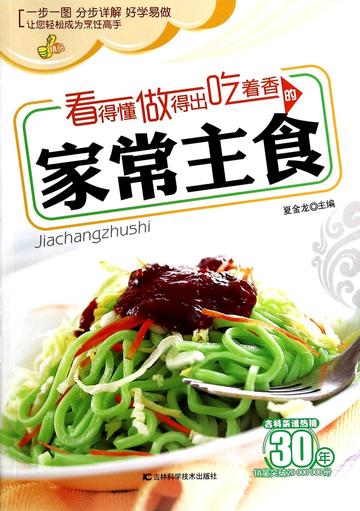
The most common home-cooked dishes are mixed vegetables, stir-fried vegetables, soups, and staple foods. The operating techniques include pickling and mixing, smoking sauce, stir-frying, frying, steaming, stewing, and braising. In order to meet people's growing needs for dietary life, we have carefully compiled this series of home-cooked recipes that are "understandable, cookable and delicious". The series follows commonly used methods at home, including "Home-cooked dishes that can be understood, cooked and delicious", "Home-cooked stir-fries that can be understood, cooked and delicious" and "Home-cooked soups that can be understood, cooked and delicious" "Four books "Home-cooked Staple Foods You Can Understand, Make, and Eat Deliciously", each book selects nearly 150 examples of common household dishes that are easy to obtain raw materials, have reasonable nutritional combinations, and are simple and easy to operate. Various operating techniques are explained in detail and classic dish examples in this series, allowing you to draw inferences and make dishes that can achieve the same effect and are more suitable for your own taste.
Reader comments
This book is very suitable for home-cooking lovers. Its writing style is simple and easy to understand, just like a caring friend sharing cooking experience with you. The step-by-step diagrams in the book are very detailed, making people feel as if the author is personally guiding them. Moreover, I think this book is somewhat similar to "Having a Restaurant: A Global History of Restaurants". They both talk about food, but from different angles. This book focuses more on the preparation of home-cooked meals, while Dining Out: A Global History of Restaurants looks at restaurants from a historical and cultural perspective. All in all, this is a very practical book for people who want to improve their cooking skills.

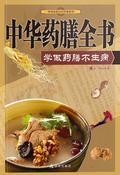
This book is very suitable for home-cooking lovers. Its writing style is simple and easy to understand, just like a caring friend sharing cooking experience with you. The step-by-step diagrams in the book are very detailed, making people feel as if the author is personally guiding them. Moreover, I think this book is somewhat similar to "Having a Restaurant: A Global History of Restaurants". They both talk about food, but from different angles. This book focuses more on the preparation of home-cooked meals, while Dining Out: A Global History of Restaurants looks at restaurants from a historical and cultural perspective. All in all, this is a very practical book for people who want to improve their cooking skills.