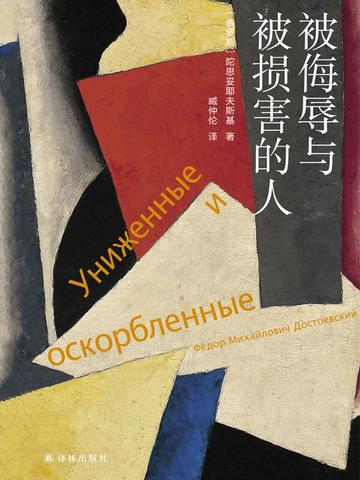
The novel unfolds the two main lines of the story with a desolate and tragic tone, one is the tragic fate of Neli's family, and the other is the misfortune of Natasha's family. The culprit of the destruction of these two families is Duke Valkovsky. He also falsely accused Natasha's father and bankrupted his family. Natasha was also deceived by the Duke's son. The writer angrily reveals the dark reality of society and expresses deep sympathy for the "insulted and damaged" people at the bottom of society.
But the novel is full of dark, tragic, and groaning tones. While maintaining the style of his works in the 1840s, in this novel, he began to preach about docility, patience, forgiveness, and voluntary suffering that cannot cleanse the soul. Christian humanism, the dominant idea in Dostoevsky's creation, began to take shape.
Reader comments
The Duke is the sum total of evil. His clever plundering pushed two generations of Ichmenev and Nellie into the abyss, but unexpectedly gave birth to a completely different flower of humanity. Ichmenev was betrayed by the Duke, whom he regarded as his brother, and his daughter was taken away by Alyosha, whom he regarded as his own son. He struggled in hatred, and the more he cared about it, the more he was hurt, and finally fell into the cage of hatred. Daughter Natasha's morbid attachment to Alyosha reveals how fragile love is based on inequality of knowledge - when asked "what she loves about him", she is speechless.
And Nellie, the illegitimate daughter abandoned by the Duke, maintained an indestructible backbone amidst poverty and humiliation. Before she died, she said: "There is nothing wrong with having money, but it is wrong to bully others with money." These last words became the most powerful response to the Duke's philosophy of "the law of the jungle".
In the end, Ichmenev reconciled with his daughter, and Nellie radiated holy light in forgiveness - these insulted and damaged souls did not choose to repay evil with evil, but used forgiveness to cut off the chains of hatred, rebuild the ability to love in the brokenness, and complete the redemption of humanity.
A very wonderful novel. The seemingly inconspicuous and uninteresting beginning becomes more and more addictive the further you go. Nellie, the poor little girl who makes people cry, is the soul of the whole work
Just dialogue, endless dialogue can be so interesting and profound, there is no one else except Tuoweng!
This book made me see the darkness of society and the danger of human heart. The author Dostoevsky's descriptions are very delicate, making me feel the pain and helplessness of each character. His writing style is very unique and the rhythm of the story is well grasped. I enjoyed reading it very much. I think he is a very powerful writer who can write such a tragic story so movingly. I will recommend this book to other friends.
I feel very sorry for Nellie, a poor child who has fallen into a miserable situation.



The Duke is the sum total of evil. His clever plundering pushed two generations of Ichmenev and Nellie into the abyss, but unexpectedly gave birth to a completely different flower of humanity. Ichmenev was betrayed by the Duke, whom he regarded as his brother, and his daughter was taken away by Alyosha, whom he regarded as his own son. He struggled in hatred, and the more he cared about it, the more he was hurt, and finally fell into the cage of hatred. Daughter Natasha's morbid attachment to Alyosha reveals how fragile love is based on inequality of knowledge - when asked "what she loves about him", she is speechless. And Nellie, the illegitimate daughter abandoned by the Duke, maintained an indestructible backbone amidst poverty and humiliation. Before she died, she said: "There is nothing wrong with having money, but it is wrong to bully others with money." These last words became the most powerful response to the Duke's philosophy of "the law of the jungle". In the end, Ichmenev reconciled with his daughter, and Nellie radiated holy light in forgiveness - these insulted and damaged souls did not choose to repay evil with evil, but used forgiveness to cut off the chains of hatred, rebuild the ability to love in the brokenness, and complete the redemption of humanity.
A very wonderful novel. The seemingly inconspicuous and uninteresting beginning becomes more and more addictive the further you go. Nellie, the poor little girl who makes people cry, is the soul of the whole work
Just dialogue, endless dialogue can be so interesting and profound, there is no one else except Tuoweng!
This book made me see the darkness of society and the danger of human heart. The author Dostoevsky's descriptions are very delicate, making me feel the pain and helplessness of each character. His writing style is very unique and the rhythm of the story is well grasped. I enjoyed reading it very much. I think he is a very powerful writer who can write such a tragic story so movingly. I will recommend this book to other friends.
I feel very sorry for Nellie, a poor child who has fallen into a miserable situation.