What are the characteristics of China's traditional market, and what are the differences between it and traditional markets in Western Europe and other places? The traditional market has a long history and has developed to a considerable level. Why has the invisible hand of the market failed to become the axis that dominates China's economy? How did China's traditional market respond to the dramatic changes in modern society, and how has it changed itself? When China gradually entered the market economy era in the last decade of the 20th century, what impact did the traditional market have on this great historical change? What kind of historical enlightenment can it give people? This book conducts an in-depth exploration of the above issues from the perspective of economic history. This book puts the market development of each stage and era into a long-term historical evolution process to examine, and puts specific economic phenomena into specific historical conditions for analysis. It is important to avoid using an isolated perspective to provide examples, avoid simply discussing matters from the facts, and strive to avoid arbitrary characterizations and conclusions.
Reader comments
This book is very interesting. It deeply explores the development of the Chinese market over two thousand years from the perspective of economic history. The book mentions "analyzing specific economic phenomena within specific historical conditions." This reminded me of my own entrepreneurial process, and also made me understand that when facing market changes, we need to think in light of the historical background. Moreover, the book also quotes many historical documents, such as the household registration notice in the eighth year of Wanli in the Ming Dynasty, which gave me a better understanding of the past economic situation. I think this book is very helpful for entrepreneurs, and they can learn the wisdom of history from it.
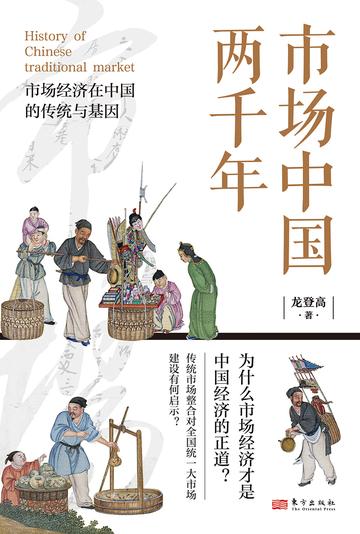




This book is very interesting. It deeply explores the development of the Chinese market over two thousand years from the perspective of economic history. The book mentions "analyzing specific economic phenomena within specific historical conditions." This reminded me of my own entrepreneurial process, and also made me understand that when facing market changes, we need to think in light of the historical background. Moreover, the book also quotes many historical documents, such as the household registration notice in the eighth year of Wanli in the Ming Dynasty, which gave me a better understanding of the past economic situation. I think this book is very helpful for entrepreneurs, and they can learn the wisdom of history from it.