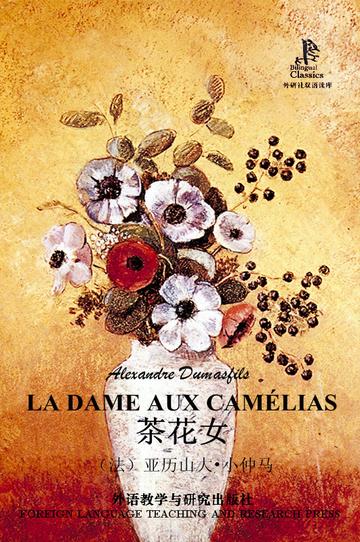
In 1842, Dumas met a beautiful woman, Marie Duplessis, at the theater. Duplessis became a high-end prostitute at the age of sixteen. She loved fancy clothes, jewelry, and camellias. Her dissolute life made her contract tuberculosis. Dumas fell in love with Marie at first sight, and soon she became Dumas's lover. One day, Dumas discovered the letters between Mary and a young man named Edward. He was so angry that he wrote a letter breaking off their relationship. Since then, the two have never seen each other again. Mary's lung disease worsened and she died in Paris on February 3, 1847, at the age of twenty-three. Xiao Dumas was extremely sad. In June 1847, he began to write behind closed doors and wrote the story of the two into the novel "La Traviata", which made him famous in one fell swoop.
Although the protagonist Margaret in the novel is based on Du Plessis, her fate is more tragic than the latter. Like a saint, she sacrificed her love for her boyfriend's family reputation, suffered countless humiliations and illnesses, and finally died. This love tragedy has touched countless people since its birth. Margaret's purity, beauty and dedication remain in the hearts of generations of readers.
Reader comments
This book moved me with its affectionate story and delicate description. Reminds me of Esmeralda in "The Hunchback of Notre Dame". They are both beautiful but ill-fated women. Just like what is said in the book, "Although Margaret is beautiful, the more everyone knows about the sophisticated life of this kind of woman during her lifetime, the more silent her death will be." This sentence truly reflects the society's indifference towards them. However, Margaret's purity and devotion will remain in readers' hearts forever.



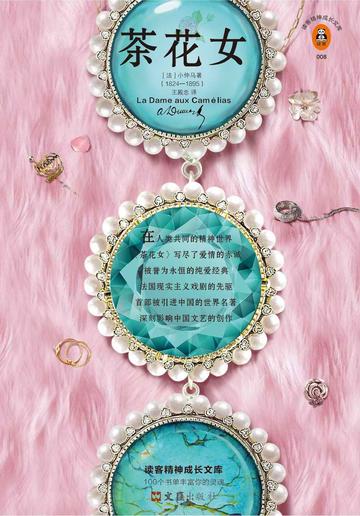

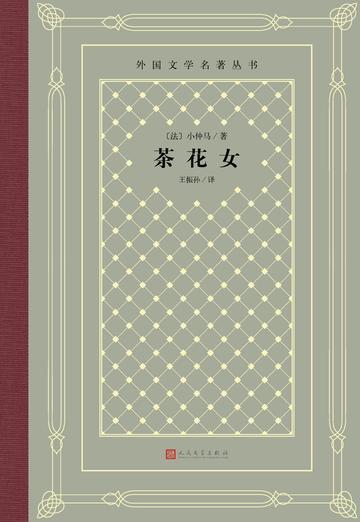

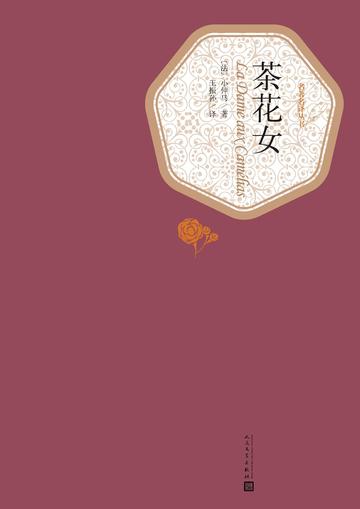

This book moved me with its affectionate story and delicate description. Reminds me of Esmeralda in "The Hunchback of Notre Dame". They are both beautiful but ill-fated women. Just like what is said in the book, "Although Margaret is beautiful, the more everyone knows about the sophisticated life of this kind of woman during her lifetime, the more silent her death will be." This sentence truly reflects the society's indifference towards them. However, Margaret's purity and devotion will remain in readers' hearts forever.