At last, one day, Nan Shu died and escaped from the laboratory that had kept her captive.
Before she could even feel happy, she was bound to something calling itself the White Moonlight System.
It told her that she could live if she completed her missions, but Nan Shu didn’t want to live at all.
In the end, the System told Nan Shu she could learn many things, gain freedom by completing missions, and experience different lives.
Nan Shu was tempted. She wanted to see the world outside.
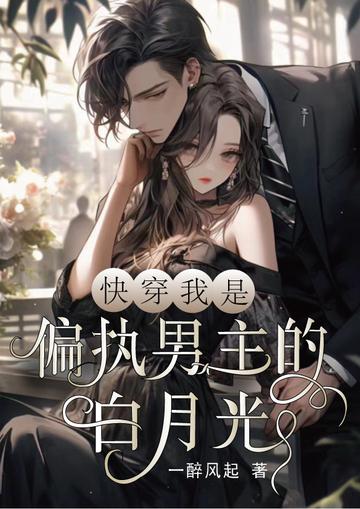
Nan Shu’s mission was to transmigrate into old-fashioned novels that had fallen apart after the white moonlight awakened and ran away, and continue playing the male lead’s white moonlight.
But could someone tell her why the male lead never crossed paths with the heroine, yet looked at her with growing affection?
World One: [The Actor’s Difficult White Moonlight]
The actor, the male lead, is still a poor young man chasing his dream. His difficult white moonlight stays by his side, constantly causing trouble and gradually wearing down his love for her. Nan Shu looks at the big puppy in front of her, who practically wags his tail whenever she gives him the slightest bit of affection, and slowly forms a question mark. Is this man, who clings to her every moment and would rather die than be without her, really the male lead?
World Two: [The Witch Clan’s Young Master’s Sister, His White Moonlight]
After adopting the male lead at the age of ten, she abuses him and teaches him a twisted idea of love, telling him that those who love him will pinch him and make him hurt. But why is he enjoying the abuse Nan Shu thinks she’s inflicting on him?
World Three: [The Dowager Empress, the Nine-Thousand-Year-Old’s White Moonlight]
(A story about Nan Shu diligently completing her missions according to the plot, unaware that it has long since fallen apart, only to be devoured by the male lead.)
Are the male protagonists the same person? The author answers