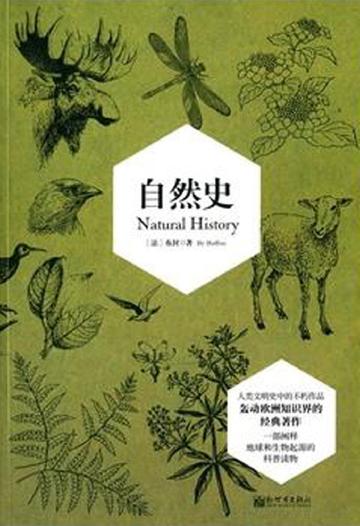
This book is a natural history, consisting of five parts: animal history, plant history, mineral history, human history, and the history of the formation of the earth. When describing animals, Buffon painted them with cordial feelings and through anthropomorphic techniques. Each vivid image appeared on the page, such as a kind and lovely squirrel, a gentle and honest elephant, a loving pigeon, etc.; When discussing minerals, Buffon observed the earth, mountains, and rivers. , Oceans, seeking the root causes of ground changes, laying the foundation for modern geological research; when studying the origin of species, Buffon advocated the "biological transformation theory" and pointed out that external factors such as environment, climate, food, etc. Will cause organisms to mutate. This view directly affected the later theory of evolution.
Reader comments
His descriptions were full of emotion and made me curious about nature. This reminds me of "Insects", they are both classic works describing nature. I also admire Buffon's hard work and concentration in research work. His experience tells us that as long as we have enthusiasm and hard work, we can achieve success in our field. I recommend that you also read this "Natural History", you will definitely gain a lot!

His descriptions were full of emotion and made me curious about nature. This reminds me of "Insects", they are both classic works describing nature. I also admire Buffon's hard work and concentration in research work. His experience tells us that as long as we have enthusiasm and hard work, we can achieve success in our field. I recommend that you also read this "Natural History", you will definitely gain a lot!