This book presents a series of studies on the folk customs and culture of ethnic minorities, particularly those in southwest China, including folk beliefs and the protection and transmission of ethnic festivals and cultures. The studies of folk beliefs examine their □□ evolution, their relationship with the social structures of migrant families, and their expression in tourism development. The studies of ethnic festivals focus on the cultural characteristics, social functions, and value of events such as the Miao people's Guzang Festival, the Shui people's Mao Festival, and the Buyi people's June Sixth Festival. The studies on the protection and transmission of ethnic culture collect and organize first-hand materials on folk traditions such as ethnic music, sports, embroidery, rice cultivation, village landscape culture, funerals, and stone inscriptions. Taking multidisciplinary perspectives from anthropology, sociology, the arts, and folklore, this book encompasses research into the folk cultures of several ethnic minorities in southwest China and provides vivid first-hand materials for further research on these groups.
By reading this book, I have a deeper understanding of the folk beliefs and festival culture of ethnic minorities. Moreover, the research methods in the book are also worth learning. The study of comparative folklore allows me to better understand the differences and connections between different national cultures. In short, this is a very valuable book, recommended to friends who are interested in folk culture!
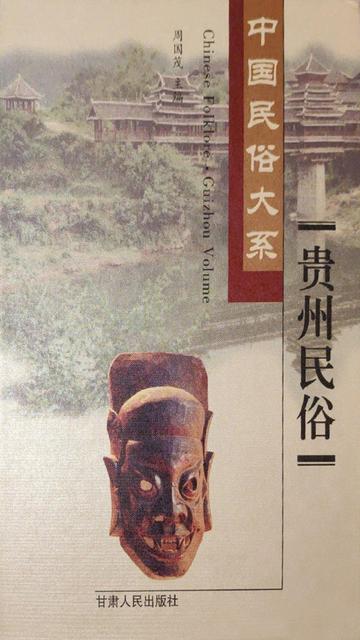




By reading this book, I have a deeper understanding of the folk beliefs and festival culture of ethnic minorities. Moreover, the research methods in the book are also worth learning. The study of comparative folklore allows me to better understand the differences and connections between different national cultures. In short, this is a very valuable book, recommended to friends who are interested in folk culture!