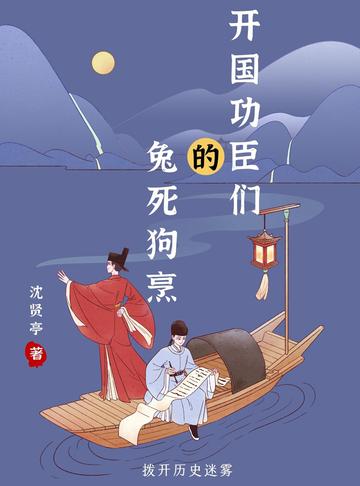
Uncovering why founding heroes in ancient Chinese history were killed once they were no longer useful
[Editor's Recommendations]
☆ A Zhihu Salt Selection columnist with tens of thousands of views!
☆ A skilled popular-history writer, bringing you a feast of historical tales!
☆ Story-driven with supporting analysis, blending entertainment and knowledge!
☆ Clear away the mists of history and explore the legendary stories and mysteries of dynasties past!
[Synopsis]
A group of founding heroes in ancient Chinese history shared an unexpected fate: a horrific death.
Shang Yang was torn apart by chariots, Li Si was cut in half at the waist, and Lan Yu was skinned alive...
Why did they meet such ends?
This book uncovers how founding heroes across China's dynasties were discarded once they were no longer useful.
They all shared one identity: founding heroes who helped their rulers establish their kingdoms.
They also shared one fate: a gruesome death!
When it comes to methods of execution, Shang Yang is first to raise his hand: “I was torn apart by chariots!”
Li Si protests: “I was cut in half at the waist!”
Han Xin scoffs: “You call that anything? I was stuffed in a sack and stabbed to death with bamboo skewers by palace maids!”
Lan Yu says: “Those are child's play. They peeled off my entire skin in one piece...”
And when it comes to their last words, they are all filled with regret.
Li Si says: “If only I'd known this would happen, I would have done things differently. I miss the days when we hunted in the countryside near my hometown of Shangcai!”
Han Xin says: “I regret not taking Kuai Tong's advice!”
Liu Wenjing says: “The ancients said that when the high-flying birds are gone, the good bow is put away. It seems they were right!”
Wen Zhong calmly says: “I told you so. When later generations write about the fate of loyal ministers, they'll inevitably use my end as an example!”
Why did they meet such ends? This book will reveal all!
[About the Author]
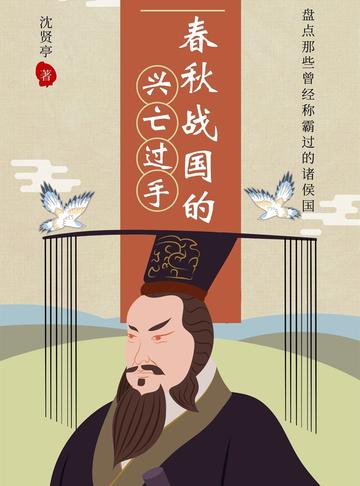
Shen Xianting: A native Shanghainese born in the early 1990s and an amateur history enthusiast. He enjoys Yan Lianke-style magical realism as well as the social thrillers of Seicho Matsumoto, so his writing leans toward a plain, realistic style. He has also tried his hand at writing fiction, and his essays and prose have appeared in publications such as China Art Weekly. His popular-history column on Zhihu Salt Selection has received tens of thousands of views.
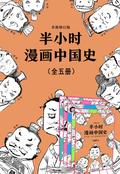
The writing style of this book is very simple, as if the author is chatting with you, and it feels very friendly. The stories in the book are also very interesting, and I learned a lot of interesting things in history. The author's analysis of the fate of the founding heroes is very good, and it also reminds me of some people in real life. All in all, I think this is a very good history book and worth reading.