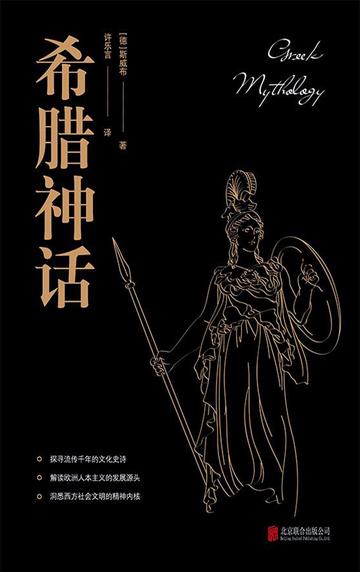
Greek mythology was produced approximately between the 12th century BC and the 8th century BC. It was originally created orally by the European people and passed down from word to mouth. It was not until the 7th century BC that the great poet Homer recorded it in a unified way in the "Homeric Epic". Most of the Greek myths circulating today come from classic works such as "Homer's Epic" and Ovid's "Metamorphoses" in ancient Greek literature. Among the most famous stories are the twelve exploits of Hercules (Hercules), the Trojan War, the travels of Odysseus, etc.
Greek mythology consists of two parts: stories of gods and legends of heroes: stories of gods involve the origins of the universe and mankind, the emergence of gods and their genealogy, etc. Legends of heroes originate from the worship of ancestors. The protagonists in such legends are mostly the descendants of gods and humans, and are half-gods and half-human heroes. Greek mythology is an artistic review of ancient history and the struggle against nature by the ancient Greeks. It shows the heroic spirit and tenacious will of mankind to conquer nature, and embodies the strength and wisdom of the ancient people.
Reader comments
I particularly like the brave and fearless heroes in it. Their stories are full of adventure and courage. Of course, I also hate some gods, such as Erebus, the god of darkness. I always think he is a bit spooky. However, this book made me feel the ancient Greeks' unique understanding of the world and human nature, and it is worth reading.


I particularly like the brave and fearless heroes in it. Their stories are full of adventure and courage. Of course, I also hate some gods, such as Erebus, the god of darkness. I always think he is a bit spooky. However, this book made me feel the ancient Greeks' unique understanding of the world and human nature, and it is worth reading.
Good-looking, crazy [eating melon]