In 1849, Ruskin wrote "The Seven Lamps of Architecture". It was an era of crazy pursuit of mechanization, industrial mass production, efficiency, and speed. Because of the economy, everyone rushed towards a world that Ruskin saw as collapse. Against this background, Ruskin's pursuit and desire for Gothic architecture became a deeply influential idea at the time. The book analyzes Gothic architecture from different aspects and proposes seven lights of architecture, including dedication, truth, power, beauty, life, memory and obedience. "Lamp of Sacrifice" and "Lamp of Reality" talk about the vitality of architecture, which comes from the dedication of architects, creators, craftsmen, architects, creators, and craftsmen; "Lamp of Power" and "Lamp of Beauty" explore the beauty of architecture, a beauty that comes from the soul and spiritual level; in "Lamp of Life", Ruskin believes that in the process of production labor, works will connect creators, works and users; "Lamp of Memory" and "Lamp of Compliance" redefine how we should view history and inherit it.
Reader comments
This book is very interesting! Ruskin discussed the charm of Gothic architecture in the book and also proposed the concept of seven lamps of architecture, which gave me a new understanding of architecture. His perspective is unique and inspiring. Moreover, the content of this book is very rich, and it is not boring at all. I think this is a book worth reading and I recommend it to you!
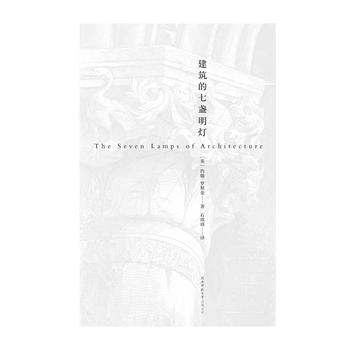





This book is very interesting! Ruskin discussed the charm of Gothic architecture in the book and also proposed the concept of seven lamps of architecture, which gave me a new understanding of architecture. His perspective is unique and inspiring. Moreover, the content of this book is very rich, and it is not boring at all. I think this is a book worth reading and I recommend it to you!