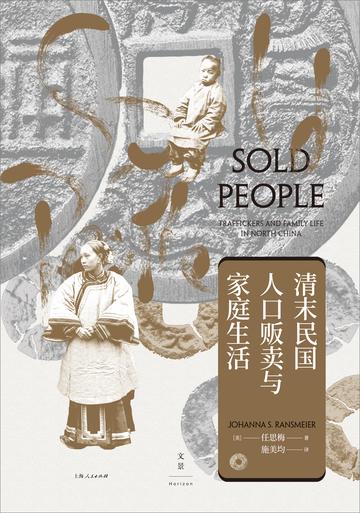
Cheng Huang, who was imprisoned twice, is still willing to return to her old business and continue to sell people. Chen, a daughter of a good family, was sold four times by her husband and father. The widow of warlord Na Shunhong used the underground military network to establish her own human trafficking group in Tianjin...
People are investments, and women, children, and the poor are the easiest to dispose of. What is the fate of the little people in troubled times?
New laws replace old laws, and when customary practices become crimes, wives, slaves, concubines, child brides, in this transitional legal environment, who are legal members of a family and who are not?
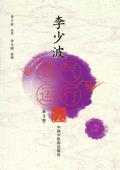
Starting from human trafficking in the late Qing Dynasty and the Republic of China, it tracks human traffickers and family life in North China. From traditional Chinese family structures to changes in society's legal system, explore the daily life and social consciousness of civil society in a period of dramatic change.
Reader comments
I was particularly disgusted by Cheng Huang in the book. She was imprisoned twice but still showed no repentance and continued to engage in human trafficking. However, the author's writing style is very good. For example, the sentence "Humanity is investment" simply and profoundly reveals the reality of society at that time. This book not only allowed me to understand the history of that era, but also gave me a deeper thinking about human nature.

I was particularly disgusted by Cheng Huang in the book. She was imprisoned twice but still showed no repentance and continued to engage in human trafficking. However, the author's writing style is very good. For example, the sentence "Humanity is investment" simply and profoundly reveals the reality of society at that time. This book not only allowed me to understand the history of that era, but also gave me a deeper thinking about human nature.