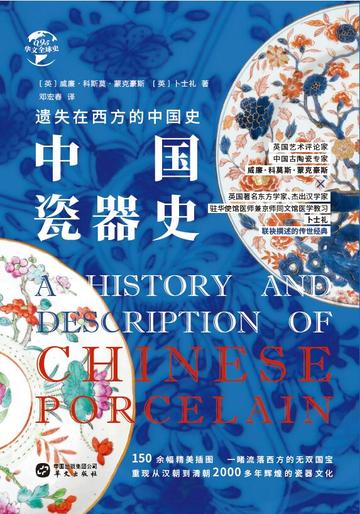
History of Chinese Porcelain
中国瓷器史
- Status
- Completed
- Length
- 140k Words
- Genre
- Historical
- Updated
- 3y ago
- Source
- Fanqie
Stats
55Reads
8.5Score
22Chapters
3Listens
7.3kReads · all time
Tags
Synopsis
Reader comments
In booklists 3




Is There a General Worldview Infrastructure Article to Improve One's Territory Step by Step?
5.3MViews214Books21hUpdated
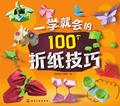

Handmade Books, Any Type Can Be Used Only If They Are Handmade
I would like to read a book similar to "200 Creative Crafts That Are Easy to Learn and Easy to Make". It's similar to this, any handmade one is fine, as long as it's handmade, thank you
2.9MViews294Books13dUpdated

Recommend Books on Skills
I would like to read a book similar to "Word, Excel, and PPT Office Applications from Beginner to Master". I want to learn some skills to make money, but my wallet is a bit tight. I hope you can recommend some free skills learning materials. They are good for everything, including handicrafts and making.
1.2MViews1kBooks2dUpdated
The English name China actually means porcelain, which is enough to show that porcelain has spread far and wide overseas in ancient times. Porcelain has a long history, which can be traced back to the early Shang Dynasty in the 16th century BC. During the Eastern Han Dynasty, China invented primitive porcelain. The earliest porcelain was made of kaolin and porcelain stone as raw materials and fired at high temperatures. Porcelain at this time was mostly blue-grey, and glaze decoration had not yet been developed. My favorite is the blue and white porcelain period, which is famous for its use of blue paint on white porcelain. The famous Ming Dynasty blue and white porcelain is highly sought after by porcelain collectors.
This "History of Chinese Porcelain" is very interesting! It is like a "porcelain museum", taking me through the development process of Chinese porcelain. I especially like the introduction of various porcelain decorations in the book. The mythical animals and characters are so amazing! Moreover, the author's descriptions of the characteristics of porcelain from each dynasty are also very vivid, making me feel as if I am seeing those exquisite porcelains right in front of me. This book is really a masterpiece for understanding Chinese porcelain! 🤩
The Song Dynasty was the golden age for the development of porcelain, and it also made "porcelain" truly an art. Each of the five famous kilns is leading the way. The azure color of the Ru kiln "breaks the virginity after the rain and the blue clouds in the sky", the opening pattern of the Guan kiln "gold wire and iron wire", the "hundreds of garbage pieces" of the Ge kiln, the "one color when entering the kiln, and the multi-colored colors when coming out of the kiln" of the Jun kiln, and the printing and engraving of the Ding kiln... Song porcelain is not luxurious, but it can be seen in its simplicity and elegance. It does not have complicated decorations, but is distinguished by its glaze color, shape and texture. It is in line with the Song people's philosophy of "studying things to gain knowledge" and the aesthetics of "plainness and innocence". A small piece of porcelain can reflect the character of the literati of the Song Dynasty - restrained and quiet, showing strength in the silent place. Porcelain in the Ming and Qing Dynasties moved towards another extreme prosperity. The cobalt blue of blue and white porcelain is like ink, and the landscapes, figures, flowers, birds, fish and insects are painted on the white porcelain. Each stroke is the charm of oriental aesthetics; the colors of doucai, multicolor, pastel and enamel are becoming more and more gorgeous and complex, and the craftsmanship is becoming more and more exquisite. From the majestic blue and white of Xuande, to the bright and lively colors of Kangxi, to the delicate and soft beauty of Yongzheng pastel, Ming and Qing porcelain is not only a practical object, but also a fusion of royal style and folk taste. They traveled across the ocean and became oriental treasures sought after by the Western world. They gave China the reputation of the "Land of Porcelain" and also built a bridge for civilizational exchanges.
In the second chapter, the author tells the history of Chinese porcelain. The author believes that the history of Chinese porcelain is divided into four periods, from the invention and establishment of the Song Dynasty, from the Song Dynasty to the Ming Dynasty, then the Ming Dynasty, and finally the Qing Dynasty. In fact, in the development of our country, when talking about the development of porcelain, we have to mention pottery, because porcelain is actually developed on the basis of pottery. As early as the Neolithic Age, the ancients fired pottery, and later in the Shang Dynasty, primitive celadon appeared. During the Spring and Autumn Period and the Warring States Period, celadon appeared, marking the arrival of porcelain on the stage of history. Later, it evolved from unglazed to glazed, and from single glaze to multi-color glaze, and finally gradually developed into today's diverse varieties.
The author mentioned many porcelains in the book, among which my favorite is Ru kiln. Ru Kiln is located in Linru County, Henan Province. It is the first famous celadon kiln in the north. It fired imperial utensils and was ranked first among the five famous kilns in the Song Dynasty. The firing time of Ru kiln is very short and the quantity is small. Its shape is simple and the glaze color is warm and soft. It intercepts the decorative techniques of Ding kiln and Yue kiln. It uses precious agate as the glaze and has a unique color. It has been praised by ancient people for its agate glaze. Looking at the glaze color, it is as beautiful as "the sky is broken by the rain and the clouds are broken", and it is worthy of being the first kiln in the world.
Porcelain is the representative cultural relic of our country. The English word for porcelain and the English word for China are the same word. This is enough to show the importance and role of porcelain to our country. From the Neolithic Age to the modern period, porcelain from different periods has different distinctive characteristics. The author sorts out the development history of my country's porcelain in a time dimension. Chinese porcelain is world-renowned for its exquisite craftsmanship, diverse decoration and unique style. Whether ancient or modern, Chinese porcelain carries rich cultural connotations and artistic value.
As China opens its door wider and wider, paying attention to the origin, development and future of civilizations in various countries around the world, especially Western countries, has become a hot topic in current world history research. This series of books attaches great importance to the construction of the world history discipline, with a broad perspective, clear hierarchies, balanced quantity, and outstanding features. The "Chinese Global History" planned to be published includes general history, special history, and memoirs. It is basically the best work among world history works and fills the gap in the publication of similar works in China. As an excellent series of world history books with high academic value, the "Chinese Global History" series has positive significance in increasing readers' knowledge and broadening their horizons.