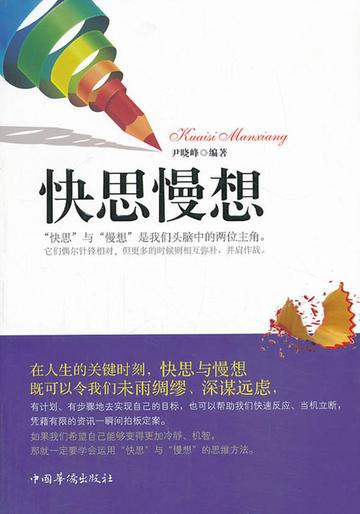
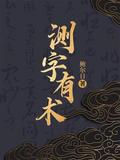
When should we trust a split-second judgment? When will reason be called upon to take the stage again to control intuition and prejudice? In fact, this is a question worth studying, because we always think that we can control our thinking, but the result is that we are often affected by unknown factors, full of assumptions and arbitrariness about the accuracy of thinking, and sometimes rely too much on past perceptions and experiences, so we often make wrong decisions caused by personal biases. Based on this, if we still want to become smarter, calmer, and more resourceful, we must learn the rules of the game of "thinking fast" and "thinking slowly". The author Yin Xiaofeng's purpose in writing "Think Fast and Slow" is to discuss with everyone at which moments and situations in life we need to "think fast" to seize the fleeting inspiration; and at which events and decisions we need to "think slowly" to steadily complete our life plans. In fact, "Think Fast, Slow" is not the kind of article that discusses thinking training in an academic tone. Obviously, we prefer to use cases with profound implications to complete this discussion with you in popular and capable language.
Reader comments
The writing style of this book is easy to understand and the writing style is crisp. It explores the rules of "thinking fast" and "thinking slowly" through profound cases. It reminds me of the book "Thinking, Fast and Slow". They both inspire us to use our thinking methods flexibly in different situations. As the book says, we need to trust our own split-second judgment in emergencies. This also reminded me of the characters in the movie "Fast" who relied on split-second decisions to win on the racing track. This book not only makes us smarter, it also teaches us how to make smarter decisions in life.
Encourage people to learn to be flexible, responsive and thoughtful when facing various situations in life.

The writing style of this book is easy to understand and the writing style is crisp. It explores the rules of "thinking fast" and "thinking slowly" through profound cases. It reminds me of the book "Thinking, Fast and Slow". They both inspire us to use our thinking methods flexibly in different situations. As the book says, we need to trust our own split-second judgment in emergencies. This also reminded me of the characters in the movie "Fast" who relied on split-second decisions to win on the racing track. This book not only makes us smarter, it also teaches us how to make smarter decisions in life.
Encourage people to learn to be flexible, responsive and thoughtful when facing various situations in life.