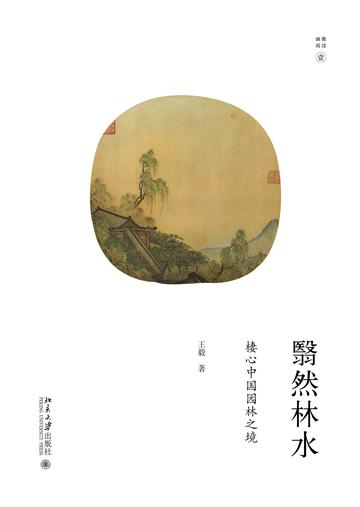
Chinese classical gardens are not only a very attractive category in Chinese culture and art, but as large-scale three-dimensional art spaces and living spaces, they also widely absorb and collect the achievements of other cultural and artistic categories. Therefore, Chinese gardens have multiple classic values: it is the crystallization of exquisite landscaping art and landscape aesthetics, and it is also a palace displaying a dazzling array of cultural and artistic masterpieces.
Reader comments
The art of Chinese garden architecture is an integral part of China's splendid ancient culture. It is the crystallization of the wisdom and creativity of the working people in ancient China, and is also a comprehensive reflection of ancient Chinese philosophy, religious beliefs, culture and art. Chinese gardening art takes the pursuit of the spiritual realm of nature as its ultimate and highest goal, thereby achieving the aesthetic purpose of "although it is made by humans, it appears to be created by nature." In addition to introducing the various layouts of Chinese classical gardens, this book focuses on the shaping of the artistic conception of the gardens.
The content of this book is systematic and comprehensive, and the explanations are detailed and thorough. It is a high-quality popular science book on Chinese gardens. Chinese classical gardens are a very attractive category in Chinese culture and art. The content of this book focuses on all aspects of Chinese gardens. It first introduces readers to the landscape content, artistic style and composition principles of Chinese gardens. Then it expands the horizons and introduces readers to how gardens are closely related to many other cultural and artistic categories in China, and how gardens express the psychological characteristics and thinking methods of Chinese people regarding the world, time and space. The book extracts many general and representative illustrations, accompanied by concise and clear text, and strives to use intuitive illustrations, detailed analysis, and both pictures and text.
The text is rich in pictures and materials, and the article can cover multiple levels and aspects, with sufficient examples. This article introduces the landscape content, artistic style and composition principles of Chinese gardens, as well as how gardens express the psychological characteristics and thinking methods of Chinese people regarding the world, time and space. This book prefers to interpret classical gardens from the perspective of art and philosophy, from elements to structure, artistic conception to philosophy, in depth, from the outside to the inside, but there are some shortcomings in the placement of objects and landscaping. This book is a great reading experience. It allows you to intuitively feel the structure, artistic characteristics and aesthetic connotation of Chinese garden art. From a philosophical level, you have a new understanding of Chinese classical gardens.
This book uses beautiful words to explain the artistic charm and cultural connotation of Chinese gardens in a simple and easy-to-understand way. The author's writing style is fresh and natural, making people feel like they are in a garden. This reminds me of the book "Suzhou Gardens". They both have unique insights into the beauty of Chinese gardens. In short, this is a good book worth reading, which will give you a deeper understanding and appreciation of Chinese gardens.






The art of Chinese garden architecture is an integral part of China's splendid ancient culture. It is the crystallization of the wisdom and creativity of the working people in ancient China, and is also a comprehensive reflection of ancient Chinese philosophy, religious beliefs, culture and art. Chinese gardening art takes the pursuit of the spiritual realm of nature as its ultimate and highest goal, thereby achieving the aesthetic purpose of "although it is made by humans, it appears to be created by nature." In addition to introducing the various layouts of Chinese classical gardens, this book focuses on the shaping of the artistic conception of the gardens.
The content of this book is systematic and comprehensive, and the explanations are detailed and thorough. It is a high-quality popular science book on Chinese gardens. Chinese classical gardens are a very attractive category in Chinese culture and art. The content of this book focuses on all aspects of Chinese gardens. It first introduces readers to the landscape content, artistic style and composition principles of Chinese gardens. Then it expands the horizons and introduces readers to how gardens are closely related to many other cultural and artistic categories in China, and how gardens express the psychological characteristics and thinking methods of Chinese people regarding the world, time and space. The book extracts many general and representative illustrations, accompanied by concise and clear text, and strives to use intuitive illustrations, detailed analysis, and both pictures and text.
The text is rich in pictures and materials, and the article can cover multiple levels and aspects, with sufficient examples. This article introduces the landscape content, artistic style and composition principles of Chinese gardens, as well as how gardens express the psychological characteristics and thinking methods of Chinese people regarding the world, time and space. This book prefers to interpret classical gardens from the perspective of art and philosophy, from elements to structure, artistic conception to philosophy, in depth, from the outside to the inside, but there are some shortcomings in the placement of objects and landscaping. This book is a great reading experience. It allows you to intuitively feel the structure, artistic characteristics and aesthetic connotation of Chinese garden art. From a philosophical level, you have a new understanding of Chinese classical gardens.
This book uses beautiful words to explain the artistic charm and cultural connotation of Chinese gardens in a simple and easy-to-understand way. The author's writing style is fresh and natural, making people feel like they are in a garden. This reminds me of the book "Suzhou Gardens". They both have unique insights into the beauty of Chinese gardens. In short, this is a good book worth reading, which will give you a deeper understanding and appreciation of Chinese gardens.