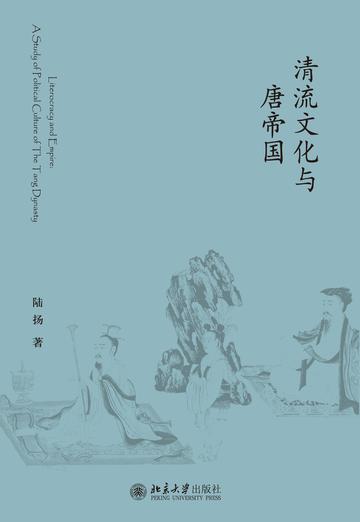
This book consists of a series of closely related but independent papers. This paper re-observes the political culture from the late Tang Dynasty to the Five Dynasties by combining the history of mentality, culture history, and institutional history. It focuses on the imperial power politics and Qingliu culture in the late Tang Dynasty and attempts to provide a new understanding framework for the transformation of the Tang Dynasty and the Five Dynasties.
This book emphasizes the special political mentality and cultural imagination of the Tang Dynasty.
Reader comments
Generally speaking, compared with the early Tang Dynasty, the society in the second half of the Tang Dynasty was a place where various forces gathered and disputed. Therefore, it was also an era of conflicting values and chaos. This is not to say that society at this stage no longer has political and cultural consensus and cohesion, but that this consensus has become uncertain due to political and social instability. Therefore, the analysis of political and social behavior in the second half of the Tang Dynasty must pay special attention to its special significance in the changing world. The relationship between the vassal town and the central government is a typical example of the wavering political values.
Qingliu culture refers to a trend of thought and school of thought in ancient Chinese culture that is independent of mainstream culture and emphasizes personal inner cultivation, moral ethics, and integrity. Qingliu culture and the Tang Empire had an interactive relationship. The Tang Dynasty provided the soil and environment for the development of Qingliu culture, and Qingliu culture played a certain role in ideological guidance and social influence in Tang Dynasty society, and played a certain role in promoting and enlightening the shaping of the cultural landscape and social ethics of the Tang Empire.
The content of this book is very in-depth and detailed. It re-observes and understands the political culture from the late Tang Dynasty to the Five Dynasties from various perspectives. Mainly starting from the history of mentality, culture and system, etc., It focuses on the imperial politics and Qingliu culture in the late Tang Dynasty, and attempts to provide a new understanding framework for the transformation of the Tang and Five Dynasties. By deeply exploring the monopoly and self-perpetuation of Qingliu culture and its representative groups in late Tang and Five Dynasty societies, this book captures various invisible forces and explains how the two levels of the Tang Dynasty's new political culture interacted to create a new political landscape. At the same time, while the influence of the Tang Empire's political and cultural concepts became increasingly significant, an ironic problem was also discovered, that is, the Tang Empire's own ability to exist was weakening. This book has certain reference value for studying the political culture and history of the Tang Dynasty and is worth reading.
This book explores the political culture from the late Tang Dynasty to the Five Dynasties from a unique perspective and gave me a lot of inspiration. It reminded me of team building and corporate culture in the entrepreneurial process, and I also understood the truth that only by sharing common goals and values can we build an excellent team. Moreover, the content in the book is of first-class professional quality and is worth reading!
It is a very professionally written historical book. When I first read it, I felt that it was quite professional. But after reading it carefully, you can still understand most of it. Regarding the descriptions of Qingliu culture and the Tang Dynasty empire described in the book, I feel that they are consistent with historical facts, and I also put forward some of my own thoughts and guesses based on the basic IQ of the implementation. It is indeed quite rewarding. I feel that the author's historical research is very profound, otherwise those professional books would be terrible. I sincerely recommend this book to other readers. You will indeed reap a lot of benefits after reading it!
After reading it briefly, my horizons broadened a lot.




Generally speaking, compared with the early Tang Dynasty, the society in the second half of the Tang Dynasty was a place where various forces gathered and disputed. Therefore, it was also an era of conflicting values and chaos. This is not to say that society at this stage no longer has political and cultural consensus and cohesion, but that this consensus has become uncertain due to political and social instability. Therefore, the analysis of political and social behavior in the second half of the Tang Dynasty must pay special attention to its special significance in the changing world. The relationship between the vassal town and the central government is a typical example of the wavering political values.
Qingliu culture refers to a trend of thought and school of thought in ancient Chinese culture that is independent of mainstream culture and emphasizes personal inner cultivation, moral ethics, and integrity. Qingliu culture and the Tang Empire had an interactive relationship. The Tang Dynasty provided the soil and environment for the development of Qingliu culture, and Qingliu culture played a certain role in ideological guidance and social influence in Tang Dynasty society, and played a certain role in promoting and enlightening the shaping of the cultural landscape and social ethics of the Tang Empire.
The content of this book is very in-depth and detailed. It re-observes and understands the political culture from the late Tang Dynasty to the Five Dynasties from various perspectives. Mainly starting from the history of mentality, culture and system, etc., It focuses on the imperial politics and Qingliu culture in the late Tang Dynasty, and attempts to provide a new understanding framework for the transformation of the Tang and Five Dynasties. By deeply exploring the monopoly and self-perpetuation of Qingliu culture and its representative groups in late Tang and Five Dynasty societies, this book captures various invisible forces and explains how the two levels of the Tang Dynasty's new political culture interacted to create a new political landscape. At the same time, while the influence of the Tang Empire's political and cultural concepts became increasingly significant, an ironic problem was also discovered, that is, the Tang Empire's own ability to exist was weakening. This book has certain reference value for studying the political culture and history of the Tang Dynasty and is worth reading.
This book explores the political culture from the late Tang Dynasty to the Five Dynasties from a unique perspective and gave me a lot of inspiration. It reminded me of team building and corporate culture in the entrepreneurial process, and I also understood the truth that only by sharing common goals and values can we build an excellent team. Moreover, the content in the book is of first-class professional quality and is worth reading!
It is a very professionally written historical book. When I first read it, I felt that it was quite professional. But after reading it carefully, you can still understand most of it. Regarding the descriptions of Qingliu culture and the Tang Dynasty empire described in the book, I feel that they are consistent with historical facts, and I also put forward some of my own thoughts and guesses based on the basic IQ of the implementation. It is indeed quite rewarding. I feel that the author's historical research is very profound, otherwise those professional books would be terrible. I sincerely recommend this book to other readers. You will indeed reap a lot of benefits after reading it!
After reading it briefly, my horizons broadened a lot.