In the fifty years of the late Qing Dynasty, in Li Hongzhang's words, there were "changes unprecedented in thousands of years" and faced "powerful enemies unprecedented in thousands of years." This was the prelude to China's rise. New issues, new things, new atmosphere, and new trends of thought began to emerge in the bumps and bumps of the late Qing Dynasty. The fifty years of the late Qing Dynasty were the fifty years of the decline and decline of China's feudal dynasty. Under the influence of internal and external troubles, old ideas, old customs, old systems, and old systems were destroyed by new trends and abandoned in the dust of history.
Reader comments
China in the last century was in the midst of a huge era of change. The new era and the old era are intertwined, and various powers fight against each other. During this period, China suffered from various difficulties such as invasion by foreign powers, internal and external troubles, and social unrest. In this book, the author introduces the important events and figures in the last fifty years of the late Qing Dynasty, such as the Sino-Japanese War of 1888-1898, the Boxer Rebellion, the 1898-1898 Revolution, the 1911 Revolution, etc., As well as the social changes and the rise of ideological trends in the late Qing Dynasty. It helps readers gain an in-depth understanding of the historical events and evolution of the late Qing Dynasty, and is of great reference value for studying modern Chinese history and understanding contemporary Chinese society.
Looking at the thousand-year history of China, the century of modern Chinese history is not worth mentioning in the vast history of China. However, this short century of history has left us with pain and grief that we have not experienced in thousands of years. Whenever I pick up related books, in this century-old history, the Sino-Japanese War of 1884-1896 is the part I least want to read and the most disdainful part. Because every time I read this, my eyes always burst into flames and I am filled with righteous indignation. When I read the tragic part, it is inevitable that I will shed a few tears and feel infinite emotion. But he still gritted his teeth and persisted, striving to understand more.
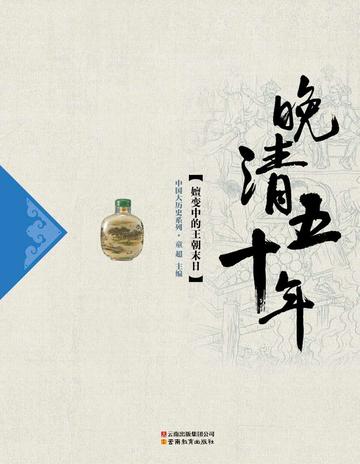
"Fifty Years of the Late Qing Dynasty" is part of the Chinese Great History series. This book mainly discusses the social, political and cultural changes in China during the late Qing Dynasty (from the late 19th century to the early 20th century), as well as their impact on the modernization process. The book covers many aspects such as political reform, social change, and cultural trends of thought in the late Qing Dynasty. The book provides a detailed analysis and commentary on the reform attempts of the late Qing government, the Westernization Movement, and the Reform Movement. It introduces how the late Qing Dynasty went from its peak to its decline.
The late Qing Dynasty was a historical period that was difficult for Chinese people to talk about. The huge and long-standing Chinese Empire was reduced to sheep and weaklings with no martial arts skills in front of the foreigners' short guns and long cannons and machine ships. What exactly led to this result? Under such circumstances, what measures did the Qing government, facing the collapse of its rule, take to save itself? Why did these measures not have the expected effect? What other eras have the dawn of time already revealed in this dim time? Through this important period of the late Qing Dynasty, we can gain a deeper understanding of the nature of Chinese society and its historical direction.
During the late Qing Dynasty, under the long-term policy of isolation, China's scientific and technological level lagged far behind that of the West. At the same time, China, which was rich in products, was also eyeing by the British. The import of opium caused all classes in China to indulge in lust and corruption, and the army fell. The First Opium War failed in 1842, and China began to cede territory, pay indemnities, and negotiate tariffs to foreign countries, seriously endangering China's sovereignty, and began to degenerate into a semi-colonial and semi-feudal society, losing its independent status. The Opium War also opened a new chapter in the history of the Chinese people's resistance to foreign aggression in modern times.
This book is rich in content, and the author clearly explains the history of the fifty years of the late Qing Dynasty. I particularly liked the various trends of thought and changes mentioned in the book, which allowed me to see the efforts and struggles of people in that era. The author is great and can write such a complicated history so vividly. I recommend you to read it.
True and objective, worth reading
A rare popular book on modern history is extremely valuable in this increasingly impetuous society where all people are entertained.
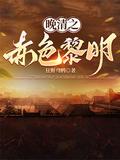
China in the last century was in the midst of a huge era of change. The new era and the old era are intertwined, and various powers fight against each other. During this period, China suffered from various difficulties such as invasion by foreign powers, internal and external troubles, and social unrest. In this book, the author introduces the important events and figures in the last fifty years of the late Qing Dynasty, such as the Sino-Japanese War of 1888-1898, the Boxer Rebellion, the 1898-1898 Revolution, the 1911 Revolution, etc., As well as the social changes and the rise of ideological trends in the late Qing Dynasty. It helps readers gain an in-depth understanding of the historical events and evolution of the late Qing Dynasty, and is of great reference value for studying modern Chinese history and understanding contemporary Chinese society.
Looking at the thousand-year history of China, the century of modern Chinese history is not worth mentioning in the vast history of China. However, this short century of history has left us with pain and grief that we have not experienced in thousands of years. Whenever I pick up related books, in this century-old history, the Sino-Japanese War of 1884-1896 is the part I least want to read and the most disdainful part. Because every time I read this, my eyes always burst into flames and I am filled with righteous indignation. When I read the tragic part, it is inevitable that I will shed a few tears and feel infinite emotion. But he still gritted his teeth and persisted, striving to understand more.
"Fifty Years of the Late Qing Dynasty" is part of the Chinese Great History series. This book mainly discusses the social, political and cultural changes in China during the late Qing Dynasty (from the late 19th century to the early 20th century), as well as their impact on the modernization process. The book covers many aspects such as political reform, social change, and cultural trends of thought in the late Qing Dynasty. The book provides a detailed analysis and commentary on the reform attempts of the late Qing government, the Westernization Movement, and the Reform Movement. It introduces how the late Qing Dynasty went from its peak to its decline.
The late Qing Dynasty was a historical period that was difficult for Chinese people to talk about. The huge and long-standing Chinese Empire was reduced to sheep and weaklings with no martial arts skills in front of the foreigners' short guns and long cannons and machine ships. What exactly led to this result? Under such circumstances, what measures did the Qing government, facing the collapse of its rule, take to save itself? Why did these measures not have the expected effect? What other eras have the dawn of time already revealed in this dim time? Through this important period of the late Qing Dynasty, we can gain a deeper understanding of the nature of Chinese society and its historical direction.
During the late Qing Dynasty, under the long-term policy of isolation, China's scientific and technological level lagged far behind that of the West. At the same time, China, which was rich in products, was also eyeing by the British. The import of opium caused all classes in China to indulge in lust and corruption, and the army fell. The First Opium War failed in 1842, and China began to cede territory, pay indemnities, and negotiate tariffs to foreign countries, seriously endangering China's sovereignty, and began to degenerate into a semi-colonial and semi-feudal society, losing its independent status. The Opium War also opened a new chapter in the history of the Chinese people's resistance to foreign aggression in modern times.
This book is rich in content, and the author clearly explains the history of the fifty years of the late Qing Dynasty. I particularly liked the various trends of thought and changes mentioned in the book, which allowed me to see the efforts and struggles of people in that era. The author is great and can write such a complicated history so vividly. I recommend you to read it.
True and objective, worth reading
A rare popular book on modern history is extremely valuable in this increasingly impetuous society where all people are entertained.