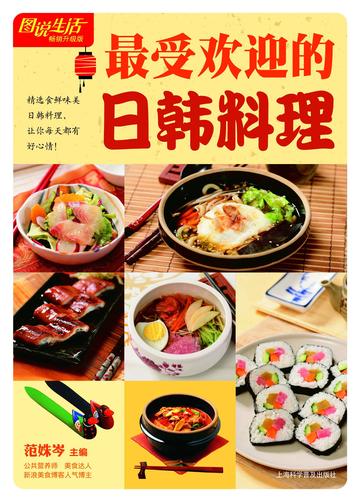
As international cultural exchanges become increasingly close, people's eating habits have also changed. On the daily dining table, in addition to the familiar Chinese flavors, occasionally having some exotic flavors is also a good choice.
In the eyes of the Japanese, an outstanding chef must follow the rhythm of the four seasons and use the most appropriate cooking methods to bring out the delicious and original flavors of seasonal ingredients to satisfy the taste buds of diners. It is like a bridge between diners and nature. This spirit of "presenting original flavors" is the essence of Japanese cuisine. Therefore, the flavor of Japanese food is mostly light but not rich. It is mainly through the use of various stocks, marinades and sauces to highlight the original flavor of the ingredients and maximize the nutritional value of each ingredient.
Whether it is light Japanese cuisine or spicy and sour Korean cuisine, diners will be satiated and hooked. You can also enjoy different exotic flavors at home and feel a different romantic atmosphere every day.
Reader comments
This book is really good! The dishes inside all look delicious, and the steps are clearly written. I feel like even a junior high school graduate like me can learn them. The author must be a person who knows a lot about cooking and can bring out the nutritional value of each ingredient. I think both Japanese and Korean food have their own unique flavors that make people want to try them. I want to recommend this book to my friends and let everyone learn to cook together!



This book is really good! The dishes inside all look delicious, and the steps are clearly written. I feel like even a junior high school graduate like me can learn them. The author must be a person who knows a lot about cooking and can bring out the nutritional value of each ingredient. I think both Japanese and Korean food have their own unique flavors that make people want to try them. I want to recommend this book to my friends and let everyone learn to cook together!