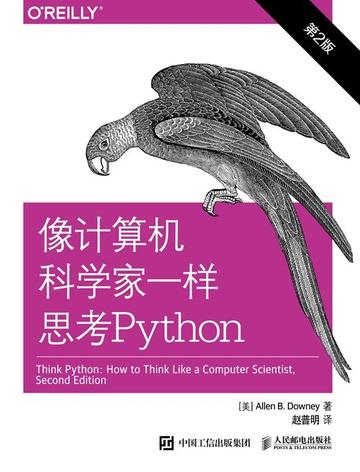
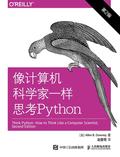
This book aims to train readers to understand Python language programming in the same way of thinking as a computer scientist. The main theme throughout the book is how to think, design, and develop, and the specific programming language only provides a medium for convenient introduction of specific scenarios.
The book has a total of 21 chapters, which introduces all aspects of Python language programming in detail. This book starts with basic programming concepts, including the syntax and semantics of the language, and each programming concept has a clear definition, leading readers to learn variables, expressions, statements, functions, and data structures step by step. The book also discusses how to work with files and databases, how to understand objects, methods, and object-oriented programming, and how to use debugging techniques to correct syntax errors, runtime errors, and semantic errors. Each chapter is equipped with a glossary and exercises to facilitate readers to consolidate the knowledge and skills they have learned. In addition, each chapter has a section devoted to explaining how to debug a program. The author summarizes all aspects of debugging based on the language features or related development issues that each chapter focuses on.
Compared with the first edition, the second edition of this book has made many updates, upgraded the programming language from Python 2 to Python 3, modified many examples and exercises, added new chapters, and introduced the Python language more comprehensively.
This is a practical study guide suitable for programmers without Python programming experience, as well as high school or university students, Python enthusiasts, and people who need to understand the basics of programming. It is a rare masterpiece for those who are new to programming.
Reader comments
This book is great for people like me who have no Python programming experience. Not only did it introduce the basics of programming, it also taught me how to think like a computer scientist. The cases and exercises in the book are also very practical, allowing me to continuously improve my programming abilities in practice. The author's explanations are concise and easy to understand. I think this is a very practical learning guide and a rare good book for people who want to learn Python.
This book is great for people like me who have no Python programming experience. Not only did it introduce the basics of programming, it also taught me how to think like a computer scientist. The cases and exercises in the book are also very practical, allowing me to continuously improve my programming abilities in practice. The author's explanations are concise and easy to understand. I think this is a very practical learning guide and a rare good book for people who want to learn Python.