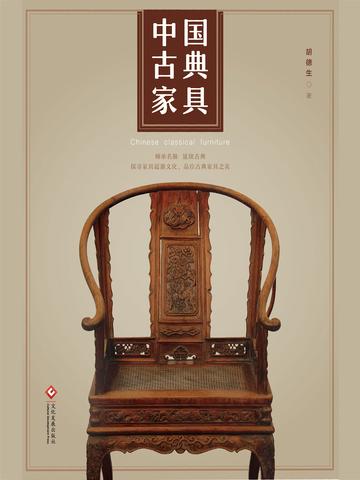
Chinese Classical Furniture
中国古典家具
- Status
- Completed
- Length
- 155k Words
- Genre
- Historical
- Updated
- 3y ago
- Source
- Fanqie
Synopsis
65Chapters
75Reads
8.2Score
5.4kReads · all time
In booklists 2



Looking for a Study Reading List for Original Character Creators
Looking for books like Jungian Psychology. Are there any books for OC inspiration or learning? I’m especially interested in Jungian psychology and personality typology, but feel free to recommend anything else too: religion, writing techniques, the occult, psychology, design, and so on.
140Books12.4MViews2dUpdated



Great Historical Fiction
Make it realistic, not too over-the-top.
525Books74.2MViews4dUpdated
Reader comments 2
Translated by Google Translate
This book is detailed in content and easy to understand in language. It provides a comprehensive introduction to the development history, types, styles and other aspects of Chinese classical furniture. By reading this book, I learned that furniture is not only a practical product, but also carries rich cultural connotations. Moreover, some identification methods and investment skills in the book are also very practical and have certain reference value for people who like classical furniture. However, I don't really like the over-emphasis on class status in the book, which feels a bit restrictive. But overall, this is a good book worth reading.
Good book, study and study