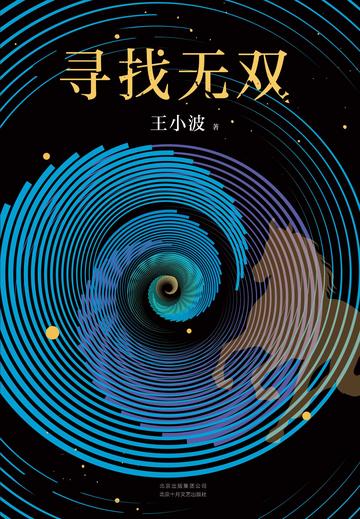
"Looking for Wushuang" is the "Book of Wisdom" in Wang Xiaobo's "Doubt Trilogy" and his debut novel. Wang Xiaobo said: "Everyone loves wisdom - because I love wisdom myself... I am very doubtful about this now, not doubting myself, but doubting that everyone loves wisdom. When I wrote "Looking for Wushuang", I was always thinking about this question."_X000D_
"Looking for Wushuang" tells the story of Wang Xianke from Shandong to Chang'an in search of his cousin Wushuang. It borrows ancient legends as the story blueprint, integrates modern elements, and uses history to feed the novel. Through Wang Xianke's journey of search, it tells a Kafka-style absurd story of constantly hitting walls and constantly breaking through various obstacles. The joy of thinking is one of the most important pleasures in life. This book is a book about heavenly wisdom, or more precisely, about the encounter of wisdom. _X000D_
Reader comments
This book is very good! Wang Xiaobo's writing style is unique, blending ancient legends and modern elements to make the story more absurd and bizarre. His writing style is concise and lively, and he can depict vivid scenes and profound thoughts in simple language. Although this book is his debut novel, it has already demonstrated his profound literary skills and unique creative talent. I like this book very much and recommend you to read it too.
I watched it once when I was in high school, and it left a deep impression on me. I didn't understand it at the time, but when I watched it again more than ten years later, I finally understood it. For reading suggestions, you can refer to the Tang Dynasty legend "Wu Shuang Zhuan", which is also included in the Tomato novel. Wang Xiaobo is my favorite writer. His metaphors are novel and bizarre, but he also makes sense.
This book is very good! Wang Xiaobo's writing style is unique, blending ancient legends and modern elements to make the story more absurd and bizarre. His writing style is concise and lively, and he can depict vivid scenes and profound thoughts in simple language. Although this book is his debut novel, it has already demonstrated his profound literary skills and unique creative talent. I like this book very much and recommend you to read it too.
I watched it once when I was in high school, and it left a deep impression on me. I didn't understand it at the time, but when I watched it again more than ten years later, I finally understood it. For reading suggestions, you can refer to the Tang Dynasty legend "Wu Shuang Zhuan", which is also included in the Tomato novel. Wang Xiaobo is my favorite writer. His metaphors are novel and bizarre, but he also makes sense.