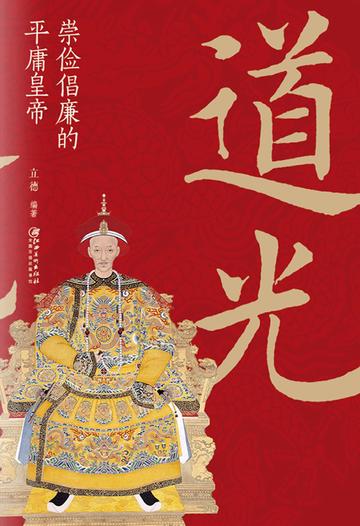
Daoguang: The Mediocre Emperor Who Promoted Frugality and Integrity
道光:崇俭倡廉的平庸皇帝
- Status
- Completed
- Length
- 463k Words
- Genre
- Historical
- Updated
- 3y ago
- Source
- Fanqie
Synopsis
42Chapters
128Reads
9.4Score
79Listens
15.3kReads · all time
More by this author
In booklists 3
Another Batch of Hidden Gems for Veteran Readers
Looking for books like Phantom Realm Patch. Fresh, thought-provoking ideas and an expansive world! A well-crafted, brain-teasing story that combines fantasy, horror, technology, and transmigration, with airtight logic.
1.1kBooks2.7MViews2dUpdated



Recommend Some Addictive Novels
The kind of book you can't stop reading.
910Books10.5MViews2dUpdated


Any Unusual or Offbeat Reads?
Are there any books with a rating similar to White Snake? Let me ask: are there any fellow e-book readers like me?
277Books141.3kViews10dUpdated
Reader comments 12
Translated by Google Translate
This is a biography about Emperor Daoguang of the Qing Dynasty. This book describes Emperor Daoguang's life and ruling experience in detail from a historical perspective. Although Emperor Daoguang was considered a mediocre emperor, he promoted frugality and integrity during his reign, which had a certain impact on the governance of the Qing Dynasty. Readers can learn about Emperor Daoguang's governing philosophy and policies through this biography, and explore in depth his status and role in the history of the Qing Dynasty. After reading, readers will have a new understanding of Emperor Daoguang.
Emperor Daoguang was a good emperor who was conservative, but he was born in the period when the Qing Dynasty should not be conservative. He was at the end of China's feudal society and the decline of the Qing Dynasty. The internal economy and military equipment were backward and civil strife was frequent. External Western powers began to bully people in various ways. Emperor Daoguang was at the beginning of the great social changes of the Qing Dynasty. All his efforts were just to find ways to stay safe and did not think of pioneering and innovation. His biggest mistake was to negotiate peace with the British. He did not clearly realize that the foreigners would not take it once and leave. In other words, he lost to Chi and did not want to make sacrifices. As a result, he set a precedent for subsequent emperors: surrender if you can't defeat him.
My understanding of Emperor Daoguang of the Qing Dynasty was limited to those treaties that humiliated the country and those romantic affairs. I did not have a deep understanding of how thrifty this emperor with mediocre qualifications was. Perhaps he had wanted to do something great, but unfortunately he was born at the wrong time, in troubled times, and his ambitions could not be realized. We actually chose to turn a blind eye to his anti-corruption campaign. After reading this book, we walked into a more realistic life of Emperor Daoguang. The author's language is vivid, the logic is clear, and the content is rich.
Emperor Daoguang ascended the throne when the Qing Dynasty turned from prosperity to decline and faced internal and external troubles. He wanted to follow the example of his ancestors, govern diligently, and revitalize the court, but things went counterproductive, and the people revolted one after another under the control of corrupt officials. My country's famous Opium War and the "Treaty of Nanjing" that humiliated and humiliated the country were both signed when Emperor Daoguang was hesitant, war and peace. In the end, when he wanted to revitalize the Qing Dynasty and avenge the national humiliation, it was already too late and nothing could be done. The character of Emperor Daoguang was determined by the class attributes of the current social situation at that time.
Among all emperors in Chinese history, Daoguang was famous for his frugality. He was determined to fight corruption and advocate frugality. He set an example and advocated frugality. I don't understand this kind of thinking. If we blindly only reduce expenditure without increasing revenue, what can we do? It will only make us poorer and poorer. Of course, maybe he just wants to take good care of the country built by his ancestors and be a stable king. But if you don't do it yourself, why don't you let others do it? On the surface, everyone obeys the monarch, but in private, the trend of "bullying the superiors and concealing the inferiors" will only become more rampant. After all, who likes to live a hard life.
This is a biography about Emperor Daoguang of the Qing Dynasty. This book describes Emperor Daoguang's life and ruling experience in detail from a historical perspective. Although Emperor Daoguang was considered a mediocre emperor, he promoted frugality and integrity during his reign, which had a certain impact on the governance of the Qing Dynasty. Readers can learn about Emperor Daoguang's governing philosophy and policies through this biography, and explore in depth his status and role in the history of the Qing Dynasty. After reading, readers will have a new understanding of Emperor Daoguang.
Emperor Daoguang was born when the Qing Dynasty was at its peak, but when he ascended the throne at the age of thirty-nine, the Qing Dynasty had turned from prosperity to decline and began to gradually decline. Under the oppression of officials and the people, they started to rise up one after another. Emperor Daoguang was a city defender, but he was unable to change the decline of the last dynasty. Although he re-employed Lin Zexu to strictly enforce the ban on smoking, under attack from foreign powers, he began to compromise and sent Lin Zexu to the border. In this book, we can understand Daoguang's character and learn from history.
Recommend. This book describes Guang's life in detail and wonderfully. First, this book is based on rich historical documents, making this book not a joke but a well-founded biography of the emperor. Second, the author's language is vivid and logical, and he can quickly lead readers to the scene at that time, which is extremely vivid. Third, this book has both faithful historical restoration and the author's analysis, which makes the book more readable and richer in content.
As a historical novel, the author uses extremely delicate writing to describe the tortuous life of Emperor Daoguang without violating history. How did an ambitious emperor who succeeded to the throne transform from being a pro-handler of government affairs to an eternal sinner who was willing to sign unequal treaties? How did his state of mind change? The narrative of this article is vivid, the conception is clever, and it successfully creates the image of Emperor Daoguang for readers. It integrates readability, authenticity, and interest, and has educational significance.
Recommend. This book describes Guang's life in detail and wonderfully. First, this book is based on rich historical documents, making this book not a joke but a well-founded biography of the emperor. Second, the author's language is vivid and logical, and he can quickly lead readers to the scene at that time, which is extremely vivid. Third, this book has both faithful historical restoration and the author's analysis, which makes the book more readable and richer in content.