The South African Constitution is arguably the most progressive constitution in the world. As a judge of the Constitutional Court, Sacks uses his special personal experience and profound and tender interpretation of the Constitution to analyze various cross-ethnic and cross-border judicial disputes to ensure that everyone, regardless of good or evil, can enjoy the basic rights guaranteed by the new Constitution and gain true freedom. His insistence on "human dignity" can be seen everywhere in the book. He hopes for great racial reconciliation, fights for the rights of disadvantaged groups, integrates legal argumentation and humanistic care, and firmly believes in the concept that "people should be treated as human beings." For almost every case involving the constitutional level, he has given arguments that are more in line with constitutional values. Every paragraph of his judgment is a record of thinking reflected in his work of interpreting the constitution. More importantly, these opinions are not limited by the formal and logical reasoning stipulated in the law, but highlight his strong humanistic flavor. It was these efforts that enabled South Africa, a land that was considered impossible to nurture constitutional justice, to produce "the most advanced ideas such as human dignity, equality, and freedom," thereby achieving social transformation.
Reader comments
This book interprets the South African Constitution from a unique perspective, allowing people to think more deeply about law and human nature. As a judge, the author Sacks shows his pursuit of fairness and justice, as well as his care for the vulnerable groups in the book. His judgment is full of humanism and makes people feel the warmth of the law. The storyline is vivid and demonstrates the close connection between law and society through specific cases. It also allows us to see a judge's perseverance and wisdom. All in all, this is a great book worth reading!
If you want to have an understanding of the principles of law, this book will be a good choice.
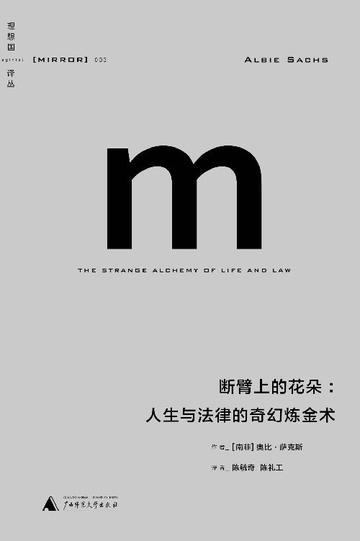


This book interprets the South African Constitution from a unique perspective, allowing people to think more deeply about law and human nature. As a judge, the author Sacks shows his pursuit of fairness and justice, as well as his care for the vulnerable groups in the book. His judgment is full of humanism and makes people feel the warmth of the law. The storyline is vivid and demonstrates the close connection between law and society through specific cases. It also allows us to see a judge's perseverance and wisdom. All in all, this is a great book worth reading!
If you want to have an understanding of the principles of law, this book will be a good choice.