Introduction·1
In this world, there are always separations, separations and separations. Wishful thinking always cannot be expressed, and resentment always comes like this. May the purple butterfly float over, and when the love and resentment is gone, the butterfly will turn purple and turn red.
Introduction·2Dong Zhidan was originally a fat boy in the first grade of middle school. He lived a life of eating potato chips, drinking cola, playing games, reading novels, and sleeping in class all day long. Until that dream, that day started...
The ancient inheritance, the evil beliefs, the ghosts in the sky, the figure that is very similar to me, the crying bride in the sedan chair, the fate of past and present lives... "I, am I still me?" "System, please come out and explain!!!"
[Introduction•3: About Dreams]
The famous Austrian psychologist, Sigmund Freud, once explained dreams this way in his book "The Interpretation of Dreams":
"Dreams are a true dialogue between a person and his or her heart, a process of learning from oneself, and another life that is closely related to oneself.
Everything seen and felt in the secret dream, the breath, tears, pain and joy, are not all meaningless. "
In "The Interpretation of Dreams", Freud also believed that there is a potential psychological activity going on under the waking consciousness. This is the famous subconscious theory.
There is also a description of dreams in Zhuangzi's "Equality of Things": In the past, Zhuang Zhou dreamed of a butterfly, which was a lifelike butterfly. Suddenly I feel like I'm in a state of confusion. I don't know that Zhou's dream is Hu Dieyu, and Hu Die's dream is Zhou Yu? Zhou and Hu Die must be different. This is called materialization.
I am the author.
This book is a systematic urban imagination essay. There are 12 chapters in the first chapter, which are written in the Ming Dynasty to prepare the main text. However, the first chapter is a bit awkward, and it has no impact on the later chapters if you don't read it, so you can skip it.


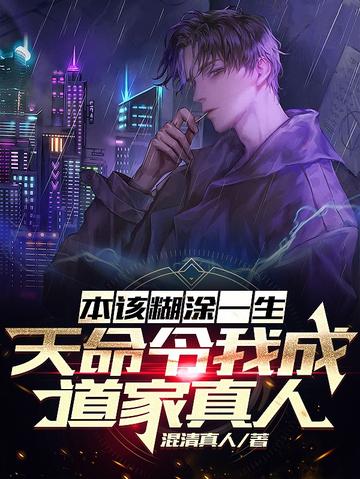
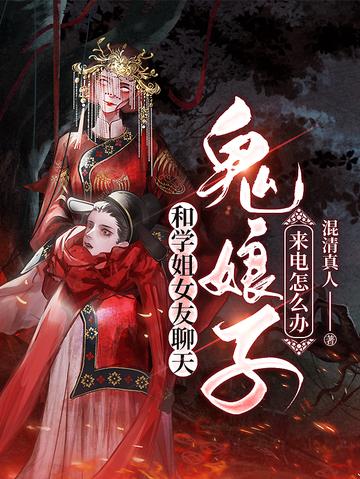
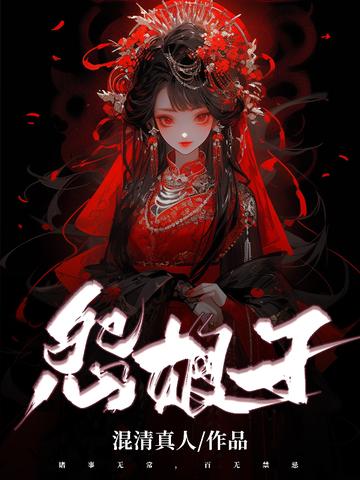
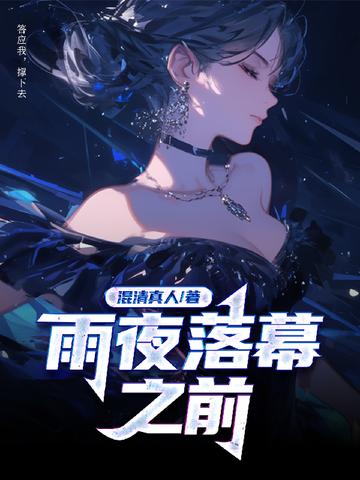


I am the author. This book is a systematic urban imagination essay. There are 12 chapters in the first chapter, which are written in the Ming Dynasty to prepare the main text. However, the first chapter is a bit awkward, and it has no impact on the later chapters if you don't read it, so you can skip it.