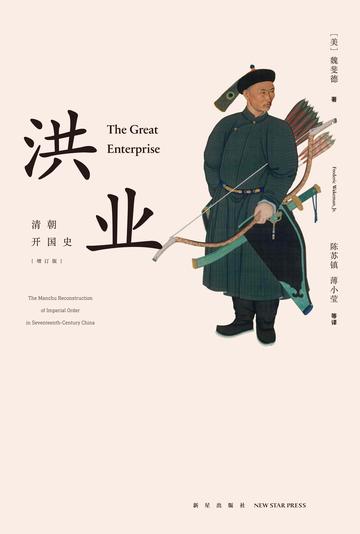
Hong Ye: History of the Founding of the Qing Dynasty
洪业:清朝开国史
- Status
- Completed
- Length
- 736k Words
- Genre
- Historical
- Updated
- 3y ago
- Source
- Fanqie
Stats
119Reads
9.0Score
161Chapters
5.5kReads · all time
Tags
Synopsis
Reader comments
In booklists 2





Are There Any Extremely Dark Texts That Control People?
5.1MViews309Books6dUpdated




Recommend Books on Skills
I would like to read a book similar to "Word, Excel, and PPT Office Applications from Beginner to Master". I want to learn some skills to make money, but my wallet is a bit tight. I hope you can recommend some free skills learning materials. They are good for everything, including handicrafts and making.
1.2MViews1kBooks5dUpdated
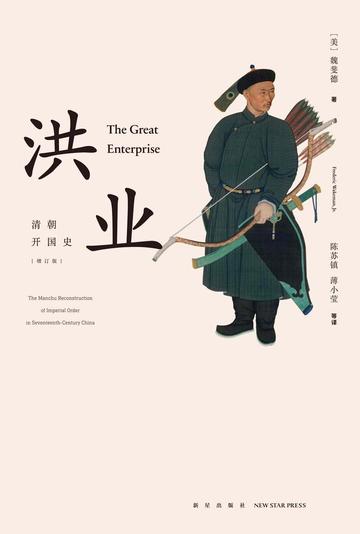
The economic crisis in the 17th century led European countries to start the Industrial Revolution. However, China, which also experienced great changes, only replaced a new dynasty and did not carry out thorough changes in its social system. The decline of the Ming Dynasty and the rise of the Qing Dynasty are the eras described in this book, starting with the turmoil of the late Ming Dynasty in 1644 and ending with the efforts of the early Qing Dynasty. This is a fragmented and wonderful era. If you study it from a global perspective, you will see a different dynasty change. Although the initial state governance and economic measures taken by the Qing Dynasty temporarily brought the empire to prosperity, they also planted a huge crisis, which was also the source of the foreign humiliation suffered by the late Qing Dynasty. A very thoughtful historical work worth collecting.
The commercial economy of the Ming Dynasty shrank, the social order collapsed, and the Qing Dynasty's regime became increasingly powerful, which led to the demise of the Ming Dynasty and the rise of the Qing Dynasty. At the end of the Ming Dynasty, due to the frequent deficits in the international balance of payments that were beneficial to China's industry and commerce, silver flowed into China from all over the world and became the destination of European currency. In the seventeenth century, through silk and porcelain purchased in China, we became the main absorber of American silver. In the first thirty years of the seventeenth century, China's silver reached 250,000 kilograms.
This is a historical work that records the establishment of the Qing Dynasty in detail. Through research on politics, military, diplomacy and other aspects during the founding period of the Qing Dynasty, the author restored the historical scenes and characters of that important period. This book not only reveals Hong Ye's important role in the establishment and development of the Qing Dynasty, but also explores the political system, social conditions and cultural inheritance of the Qing Dynasty. Through a comprehensive analysis of Hongye, the book arouses readers' thinking and reflection on historical changes and the fate of the country. It is an important historical work that allows us to better understand the rise and fall of the Qing Dynasty and the historical process.
This book tells the story of a very dramatic historical stage in the history of Chinese dynasties - the end of the Ming Dynasty in 1644 and the consolidation of the Qing Dynasty in the following 20 years. From the grand background of politics, economy, culture, society, nation, and national defense, the author provides an overall analysis and perspective on the process of how one empire fell into trouble and how another empire reestablished order and became strong. In this book, Wei Feide hopes to present the "Hongye" through the reconstruction of the Chinese imperial order in the early Qing Dynasty to reveal a series of important changes that had taken place in Chinese society before the arrival of Western forces in the Opium War in 1840.
The content is detailed and records the historical changes in the early Qing Dynasty. I was surprised by the author's sober perspective on historical observation, and lamented that the study of Qing history still requires a lot of historical materials to understand why we systematically missed the first industrial revolution.
This is a historical work that records the establishment of the Qing Dynasty in detail. Through research on politics, military, diplomacy and other aspects during the founding period of the Qing Dynasty, the author restored the historical scenes and characters of that important period. This book not only reveals Hong Ye's important role in the establishment and development of the Qing Dynasty, but also explores the political system, social conditions and cultural inheritance of the Qing Dynasty. Through a comprehensive analysis of Hongye, the book arouses readers' thinking and reflection on historical changes and the fate of the country. It is an important historical work that allows us to better understand the rise and fall of the Qing Dynasty and the historical process.
The economic crisis in the 17th century led European countries to start the Industrial Revolution. However, China, which also experienced great changes, only replaced a new dynasty and did not carry out thorough changes in its social system. The decline of the Ming Dynasty and the rise of the Qing Dynasty are the eras described in this book, starting with the turmoil of the late Ming Dynasty in 1644 and ending with the efforts of the early Qing Dynasty. This is a fragmented and wonderful era. If you study it from a global perspective, you will see a different dynasty change. Although the initial state governance and economic measures taken by the Qing Dynasty temporarily brought the empire to prosperity, they also planted a huge crisis, which was also the source of the foreign humiliation suffered by the late Qing Dynasty. A very thoughtful historical work worth collecting.
The writing style of this book is very attractive, like telling a story, making it easy for me to read. Moreover, the author's writing style is also very good and the content is easy to understand. Through this book, I learned about the history of the founding of the Qing Dynasty, and also learned that many important changes had taken place in Chinese society before the Opium War in 1840. I think the author Wei Feide is really great. His research horizons are very broad and the books he writes are very interesting. It makes me want to learn more about history!
Looking at the history of the late Ming and early Qing Dynasties from a third-party perspective feels more objective. The Qing Dynasty deserves to be the pinnacle of feudal society.