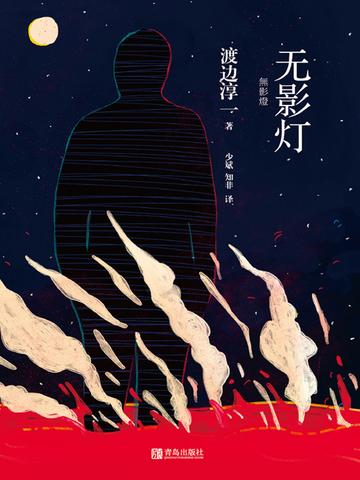
A young lecturer at a famous medical school, Yusuke Naoe, is academically superb, but suddenly quits his job at the university to work in a little-known private hospital. Because of his cold face and unique personality, he attracted the attention of many women in the hospital. From colleagues to the dean's family and even patients, they all have ambiguous relationships with him... Is it his self-destruction, or is there something else hidden? As X-rays of bones are discovered one after another, the mystery gradually emerges...
Reader comments
This novel does not just focus on the protagonist doctor, but connects all kinds of individual patients. Each patient comes on stage with his or her own unique pain and life circumstances. When doctors and patients get along, love, guilt, helplessness, and obsession are intertwined and intertwined. The light on the operating table can eliminate the shadows of the body, but it cannot erase the emotional entanglements and shortcomings in everyone's destiny. In a series of intertwined short stories, the complex human nature under the medical reality is revealed. [Sending Hearts]
Thanks to the author for his rational analysis of philosophical thinking in this work. For example, whether a doctor treats patients first, or whether he treats people or death, it is very meaningful to answer the conflicts that some people have in the working society. After reading this book in 2016, I had an epiphany about the psychology of life, death and illness. Nowadays, the suicide rate of young people in China is also increasing. Diseases are increasing the suicide rate...
The book "Shadowless Lamp" is very interesting! I particularly like the complicated relationship between Yusuke Naoe and the people around him, which is very mysterious. And seeing his various experiences in the hospital gave me a better understanding of the profession of a doctor. Especially the plot of those X-ray films made me feel very nervous and wanted to know what the final answer was! Check it out, you won't be disappointed.
Everything that happens in life is an experience. Everyone's experience is different, which makes everyone different. It's almost impossible to empathize, no one's experience is exactly the same. Born in this time and space, we feel this time and space. Everyone is alone.
This is the novel written by Junichi Watanabe that contains the most academic secrets. It is very interesting and attractive enough to be read in one sitting.
It is very sincere and touching. Although it is a private hospital in Japan, it is very similar to our current hospitals. The intersection of emotion, work, illness and reality inspires people to think about the meaning of life.
It is subtle and in-depth, highly visible, and has an understanding of life and death.
I was moved and liked it very much. It uses a delicate and plain tone to describe tragic and indulgent people. This is why I like Japanese novels.
The author's description is meticulous and nuanced
It's written in a very humane way
It started calmly, but as the plot progressed, I was unknowingly drawn into the book.
Watanabe, who once worked as a doctor, writes Japanese stories that feel like they are happening in China.
Reasonably discussed ethics and human nature, objectively but not coldly.
It's wonderful. You love someone so much that you feel selfless. You love someone so much that you can't believe that your lover has left. The writing is plain but hard to remember.
A hearty description of death and those who watch it.
This novel does not just focus on the protagonist doctor, but connects all kinds of individual patients. Each patient comes on stage with his or her own unique pain and life circumstances. When doctors and patients get along, love, guilt, helplessness, and obsession are intertwined and intertwined. The light on the operating table can eliminate the shadows of the body, but it cannot erase the emotional entanglements and shortcomings in everyone's destiny. In a series of intertwined short stories, the complex human nature under the medical reality is revealed. [Sending Hearts]
Thanks to the author for his rational analysis of philosophical thinking in this work. For example, whether a doctor treats patients first, or whether he treats people or death, it is very meaningful to answer the conflicts that some people have in the working society. After reading this book in 2016, I had an epiphany about the psychology of life, death and illness. Nowadays, the suicide rate of young people in China is also increasing. Diseases are increasing the suicide rate...
The book "Shadowless Lamp" is very interesting! I particularly like the complicated relationship between Yusuke Naoe and the people around him, which is very mysterious. And seeing his various experiences in the hospital gave me a better understanding of the profession of a doctor. Especially the plot of those X-ray films made me feel very nervous and wanted to know what the final answer was! Check it out, you won't be disappointed.
Everything that happens in life is an experience. Everyone's experience is different, which makes everyone different. It's almost impossible to empathize, no one's experience is exactly the same. Born in this time and space, we feel this time and space. Everyone is alone.
This is the novel written by Junichi Watanabe that contains the most academic secrets. It is very interesting and attractive enough to be read in one sitting.
It is very sincere and touching. Although it is a private hospital in Japan, it is very similar to our current hospitals. The intersection of emotion, work, illness and reality inspires people to think about the meaning of life.
It is subtle and in-depth, highly visible, and has an understanding of life and death.
I was moved and liked it very much. It uses a delicate and plain tone to describe tragic and indulgent people. This is why I like Japanese novels.
The author's description is meticulous and nuanced
It's written in a very humane way
It started calmly, but as the plot progressed, I was unknowingly drawn into the book.
Watanabe, who once worked as a doctor, writes Japanese stories that feel like they are happening in China.
Reasonably discussed ethics and human nature, objectively but not coldly.
It's wonderful. You love someone so much that you feel selfless. You love someone so much that you can't believe that your lover has left. The writing is plain but hard to remember.
A hearty description of death and those who watch it.