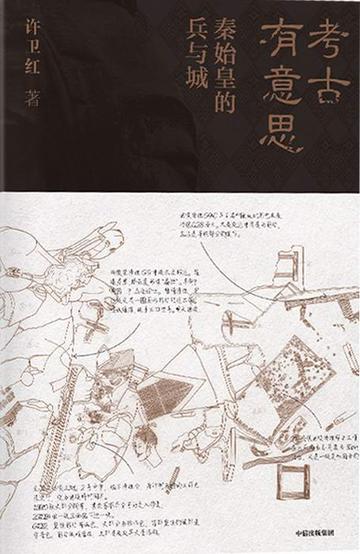
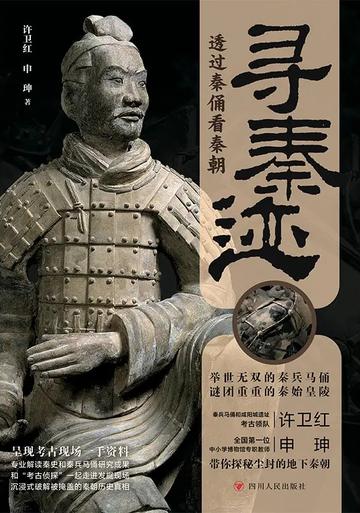
Xu Weihong, leader of the third excavation of Pit One of the Terracotta Army and of excavations at the ruins of Xianyang, the Qin capital, recounts thirty years of archaeological “Qin-hunting.” Drawing on nearly thirty years of discoveries at the Terracotta Army and sixty years of excavations at the ruins of Xianyang, she pieces together the real lives of Qin craftsmen, officers, civil servants, and nobles, details missing from the history books. She reveals the secrets behind Qin's rise, the Qin people's meticulousness and romantic spirit, their forward-thinking commitment to thrift, and their ability to embrace foreign civilizations.
There are far too many fascinating stories from the archaeological front lines for novelists to imagine, no matter how hard they try. The coin-minting machine from the Qin “central bank” was found in a pile of brickworks waste. To preserve the Terracotta Army's paint as much as possible, medical scalpels replaced archaeological trowels. Archaeologists shared drinks with villagers, competed with tomb raiders over artifacts, raced construction crews against deadlines, rescued Qin bricks from the iron claws of excavators, and explained Guan Zhong's urban planning ideas to real estate moguls... The national treasures displayed beneath the soft lights of museums are not the only things that bear the unique marks of the Qin. Even the overlooked dirt, broken bricks, and stones are inscribed with clues to Qin history. Archaeology has never been about hunting for treasures. It is about seeing the people through the objects and conversing with those who came before us. Archaeologists have handled and studied every artifact on display, as well as immovable ruins and sites, awakening their inner vitality and bringing their vivid stories to life.
This book is very interesting! It allowed me to see another side of archeology. It turns out that archeology is not only mysterious and serious, but also has so many interesting stories. The characters in the book are all very vivid, especially the author. Her persistence and feelings are admirable. As the book says, "Archaeology is never about finding treasures, but about seeing people through things and having conversations with ancient people." She really did it. I think this book is not only suitable for people who are interested in history, but also for everyone who wants to understand Qin culture.