"Laosheng" records the century-old history of modern China in a clichéd narrative. The old man who sings sinister songs at funerals is the soul of the book. He wanders around the mountain villages in southern Shaanxi, witnessing and recording the changes of several local eras and the fate of several generations, reflecting the growth history of China for hundreds of years, which is magnificent and far-reaching.
Reader comments
The book "Laosheng" is like a kind elder, telling us the historical stories of China over the past century. The characters and their fates described in the book reminded me of the experiences of my relatives and friends, and I felt the vicissitudes of history and the ups and downs of life. The author Jia Pingwa's delicate writing style made me feel as if I was actually on the scene, and also made me deeply admire his talent. This is a great book worth reading again and again!
The narrative is smooth and calm, with four strands of spirit floating around.
He was born and died, so he sang a sinister song.
One, two, three, four, five, metal, wood, water, fire, and earth,
Cloudy, sunny, windy, thundery and rainy, life, death, sickness and suffering.
One invites the sky and the earth to be pale, the other invites the sun and the moon to shine brightly,
Three times, please invite Confucianism, Taoism and Buddhism, and four times, please ask the King of Hell, the underworld.
Five invitations to the Heavenly Emperor and the Jade Emperor, six invitations to the Eight Great Vajras,
The seventh is to invite the Lord of the Earth and Kitchen, the eighth is to invite the City God, the God of Wealth,
Nine invites the Peach Blossom Lady, ten invites the ancestors.
Everything was over.
"Laosheng" reveals the violence, absurdity and struggle of human nature in China's century-old society through four historical slices. The characters are vivid and the narrative is thick, which is worth reading.
I especially like Teacher Jia's "Laosheng".
I saw the good, evil, and ignorance of people, and I also saw the joys and sorrows of the world.
The first half feels average, but the back is pretty good.
Describe the changes in the world
It's the same era as what Mo Yan wrote about, but one is magical and the other is more real.
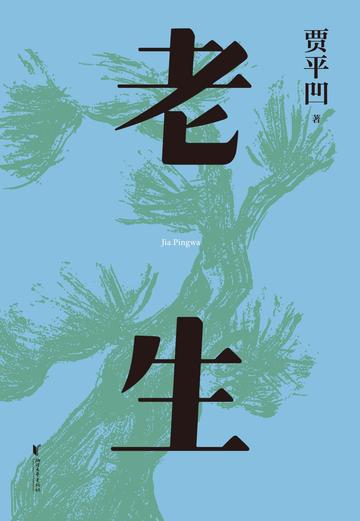
The book "Laosheng" is like a kind elder, telling us the historical stories of China over the past century. The characters and their fates described in the book reminded me of the experiences of my relatives and friends, and I felt the vicissitudes of history and the ups and downs of life. The author Jia Pingwa's delicate writing style made me feel as if I was actually on the scene, and also made me deeply admire his talent. This is a great book worth reading again and again!
The narrative is smooth and calm, with four strands of spirit floating around. He was born and died, so he sang a sinister song. One, two, three, four, five, metal, wood, water, fire, and earth, Cloudy, sunny, windy, thundery and rainy, life, death, sickness and suffering. One invites the sky and the earth to be pale, the other invites the sun and the moon to shine brightly, Three times, please invite Confucianism, Taoism and Buddhism, and four times, please ask the King of Hell, the underworld. Five invitations to the Heavenly Emperor and the Jade Emperor, six invitations to the Eight Great Vajras, The seventh is to invite the Lord of the Earth and Kitchen, the eighth is to invite the City God, the God of Wealth, Nine invites the Peach Blossom Lady, ten invites the ancestors. Everything was over.
"Laosheng" reveals the violence, absurdity and struggle of human nature in China's century-old society through four historical slices. The characters are vivid and the narrative is thick, which is worth reading.
I especially like Teacher Jia's "Laosheng".
I saw the good, evil, and ignorance of people, and I also saw the joys and sorrows of the world.
The first half feels average, but the back is pretty good.
Describe the changes in the world
It's the same era as what Mo Yan wrote about, but one is magical and the other is more real.