Stats
5.8Score
Synopsis
No synopsis yet.
We haven’t got an English blurb for this one. It appears once the source description has been translated.
We haven’t got an English blurb for this one. It appears once the source description has been translated.
When he was old enough to leave home, Schliemann eagerly left home and began working as an apprentice for a grocer in a neighboring village. But weighing cheeses and prunes is not a lucrative business. So he decided to try his luck in South Africa and work as a ship's waiter on the way there. However, his ship sank in distress before reaching the beautiful Inca coast. Schliemann was lucky enough to survive and began working as an accountant in a factory run by a Dutch businessman in Amsterdam. Schliemann spent his evenings studying languages and eventually mastered 18 languages. Because he was familiar with Russian, his boss sent him to St. Petersburg, where he became an indigo importer.
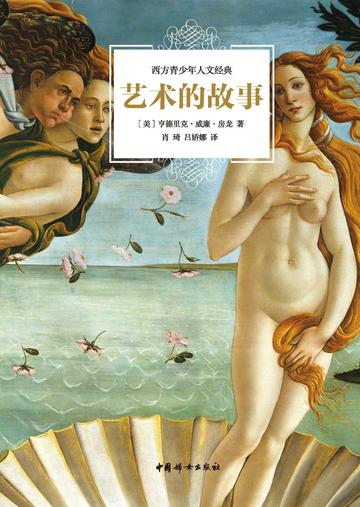
This large book is very rich in content, covering both East and West, including architecture, painting, sculpture, etc. However, there is too much content and it makes people feel that the focus is not clear. The author seems to want this book to be all-inclusive, so he tries to cover every aspect. If you want to get started with art history, you can read this book first, after all, the important content is mentioned. But if you want to understand more deeply, it is better to read the monographs divided into categories. In addition, the quality of Gombrich's "The Story of Art" is much better than this book. I recommend it!
This book is presented in easy-to-understand language and rich illustrations, showing readers the diversity and development of world art. The book introduces some important artists and their representative works, such as Leonardo da Vinci, Van Gogh, Picasso and other well-known artists, in order to analyze their artistic styles and their influence on art history. At the same time, art is placed in the context of society and culture, and the reflection and impact of art on social change and cultural development are analyzed.
Art comes from life. Many things in life embody the beauty of art, and what creates this art is also an inadvertent glance in life. Art is complex and diverse. The author uses his rich knowledge to show us the development of sculpture, architecture, painting and other arts in the East and West. From ancient times to modern times, it shows the charm of various arts, allowing us to feel the breadth and depth of art, and also making us marvel at the author's cultural heritage. The full text is composed of short stories interspersed with various pictures, allowing us to better understand and be more interested in continuing reading.
The book "The Story of Art" is like an art guide, taking me on a tour of the art world from ancient times to the present. Fanglong's writing style is easy to understand and smooth, which gave me a deeper understanding of various art forms. This reminds me of the book "The Course of Beauty". They both tell the history of art in a popular way, making it easier for readers to understand and appreciate the beauty of art. At the same time, the content in the book also reminded me of art masters such as Leonardo da Vinci, whose works shine with unique light in the long river of history. All in all, this is an introductory art book worth reading.