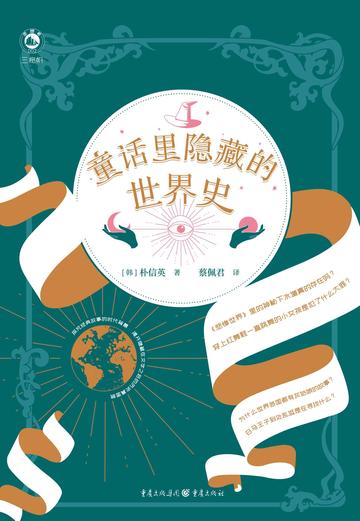
With thirty fairy tales and novels as its themes, this book raises intriguing questions hidden within their pages, piquing readers' curiosity and exploring the historical context in which classic works were written. Why do fairy-tale princes always wander around? Why do werewolves and witches live in dark forests? Why does the old queen always lose to the young princess? If Anne of Green Gables had blonde hair, would she still argue with Gilbert? What terrible crime did the little girl commit to deserve having her ankles severed just for wearing the red shoes? Why do the prince and the pauper look exactly alike? Does Cinderella herself have a "Cinderella complex"? Did the mysterious sewer in Les Miserables really exist? Anyone who has read these classics has probably wondered about such storylines. The prince of a small kingdom with no claim to the throne is actually searching for a princess of suitable age, hoping to secure a lifelong meal ticket through marriage. Queens are obsessed with mirrors because they are victims of political marriages, and so fixated on their appearance. They may have merely said a few words in their native dialect to a mirror, only to be branded wicked women muttering strange spells. This book builds a bridge between the stories in classic literature and the real world, revealing the secrets writers left unsaid.
This book explores the fascinating history of the world through the lens of fairy tales and literary classics. The works discussed range from European classics such as Snow White and Little Red Riding Hood to literary masterpieces and fantasy novels such as Les Miserables, Cuore, and the Harry Potter series. Written in an accessible style, it uncovers the world history hidden within them. Disney and Studio Ghibli have also adapted these stories. This book provides the answers readers seek about the stories left unfinished and the real history not fully shown in those films. The witch hunts of medieval Europe, the founding of the United States, and Italy's turmoil and unification movement may seem like solemn historical topics in textbooks, but they helped give rise to one beloved classic after another. This book introduces readers to fascinating facts about world history in an entertaining way.
The book is divided into four parts: "Werewolves, Witches, and Evil Queens: The Historical Truth Behind the Villains," "Heroes Reborn: Is It Self-Interest, Secrets, or Love?" "Revolutions Born from Stories, and History That Echoes in the Modern World," and "Strange Fairy Tales That Reveal Secrets We Cannot Ignore." With clear themes, the sections make it easy for readers to explore the material systematically and compare topics. The author explains the historical background of each classic and sometimes adds personal opinions, using familiar plots to introduce the social conditions, environment, and historical setting of each era. Passages from the original works are quoted throughout to jog readers' memories and aid their understanding. By restoring the true face of history and uncovering the truth behind these classics, readers will discover another, more profound story, and be able to reconsider the meaning each tale conveys and the creative journey of its author.



This book is interesting and offers a unique perspective on the history of fairy tales and classics. As the book says, the stories we are familiar with may hide unknown secrets. The author's questions made me think about whether the characters in fairy tales also have their own lives and choices. For example, the "passing prince" wanders around, is he also looking for his own direction in life? This reminds me of my own children, who will also ask questions about these stories, and through this book, I can explore them with them and find the answers together.
It's very good. The perspective is relatively comprehensive. It uses history to fill in the relative thinness of fairy tales. This book is also very meaningful, just like the advice in the Cinderella story at the end. Read a few more versions and don't be led by a certain stereotype.
The innocent words written by a child who could read when he grew up made me, a grown-up child, deeply moved.
I wrote a lot of blank pages for the background of fairy tales.
The author has a strong subjective judgment, and I hope all book friends will think carefully.
The angle is novel and the content is interesting. It also reveals a profound fact - art is the art of the times.
It's very good. The language is humorous and interesting, not particularly boring. While explaining the history behind the story, it also analyzes the characters' personalities and possible real situations. Although I haven't finished reading it, this is indeed a rare and good book.
It's very interesting. The author is communicating with us throughout the book and we learned a lot about history.
It's okay. Although it's a subjective judgment, it's enough to open your mind.
The angle of interpretation is very good.