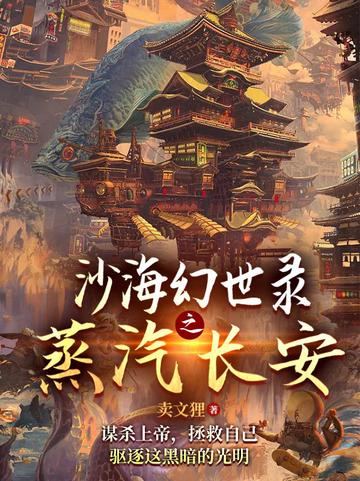
Style: authentic Tang history + dreams + technology + mysterious powers (multiple gods) + mecha / no golden finger / no all-around geniuses / no elite soldiers / ensemble cast / logical focus / slow burn, likely to flop, and more.
Thirty days remain until the new Tang emperor’s first grand ceremony for envoys from all nations. Jupiter enters the moon’s orbit, its light dim and its portent unclear. In Chang’an, a steam-belching dragon train roars past, while the wheels of history quietly switch tracks.
There is a brilliant deputy director of the Imperial Observatory who reads the movements of the sun and moon to divine the fate of the world; a crown prince appointed regent who should never have taken the post; a Holy Mother Empress who yields but never withdraws; a kindhearted ruler with no desire for the imperial crown; a Persian prince risen from the dead; a one-eyed general who endures humiliation for a greater cause; princes of the Wu family surrounded by wolves and tigers; a Kucha songstress stranded in a foreign land; the quirky Princess Yuzhen; a dream-catching prophet from the future; and me, a lonely soul fallen into Chang’an.
The knots of fate intertwine in Chang’an’s fog and cry out at the edges of the world. Did humans create the gods, or did the gods create humanity? Are people toys molded by the gods, or are the gods merely projections of human desire?
I don’t know. But one day, we will murder God, save ourselves, and drive away this darkness of light.

The description is relatively realistic, with a hint of Tang Dynasty's Inception + American Gods at the end. The gods of Christianity, Zoroastrianism, and Shamanism (Cthulhu Monster?) Have appeared since Chapter 30... However, although the plot is delicate, the pace is a bit slow.
The writing is good, and the pace requires patience to read. The first part is relatively realistic and historically sophisticated. From the fourteenth chapter, the imagination begins to show, and from the thirty chapter it starts to become interesting.