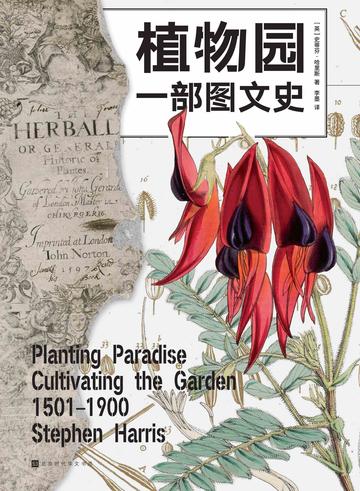
In the early 16th century, the main role of European botanical gardens was to provide medicinal herbs to doctors. But starting in the 17th century, all levels of European society became interested in plants. Europeans continued to introduce plants from all over the world, conducted research on plants, and discovered their economic value. Botanic gardens became laboratories for scientists to study the properties of different plant species and techniques for breeding rare plant species.
This book introduces the history of the Botanical Garden from 1501 to 1900, with illustrations from the collections of the Oxford University Library and the Oxford University Herbarium. The year 1501 was a starting point, when the first botanical books were published, a turning point when educated people no longer relied on known authorities and began to observe nature directly; 1900 marked the beginning of the study of plants through genetics, which revolutionized the study of plants and their effects. Although the tremendous role of genetic research over the past hundred years has led to astonishing advances in botanical knowledge, most of the basic knowledge about how to transplant and cultivate plants was established between 1501 and 1900.
Reader comments
I particularly liked the reference to the 17th century, when botanical gardens became scientific laboratories and plants were studied more intensively. Also, I love the characters who contribute to botany and whose efforts help us understand more about plants. This book gave me a new understanding of the world of plants, and I recommend it to friends who like natural history!





I particularly liked the reference to the 17th century, when botanical gardens became scientific laboratories and plants were studied more intensively. Also, I love the characters who contribute to botany and whose efforts help us understand more about plants. This book gave me a new understanding of the world of plants, and I recommend it to friends who like natural history!