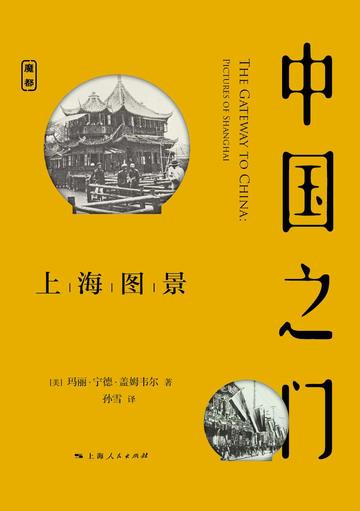
Why was Shanghai in the early twentieth century called “China's Gateway”? This book's answer is that Shanghai was a world in miniature, offering an up-close view of China as a whole. Old and new, ancient customs and modern ways, were strangely blended there, making the city more distinctly representative of an East in transition than any other in the Far East. The book views Shanghai through the lens of development, progress, and possibility, emphasizing how old and new elements coexisted in the city. Alongside detailed accounts of Shanghai's development after it was opened to foreign trade, including municipal construction, streets and transport, commerce, education, culture, customs, charity, industry, livelihoods, and Christian missionary work, it describes how traditional Chinese customs responded to Western cultural influence and exposes the harsh lives of workers, street children, and other people at the bottom of society. Through this book, readers can get closer to the Shanghai of that era: an emerging international metropolis, full of youthful energy and vitality, and caught up in change and contradiction.



This book reminded me of when I had just given birth to a child, full of expectations and a little worried about the future life. The description of Shanghai in the book is very detailed, making me feel like I can see the vibrant and vibrant city back then. In particular, the author mentioned the coexistence of new and old elements in Shanghai, which resonated with me very much. I think this is not only a characteristic of Shanghai, but also a characteristic of our era. We need to find a balance between tradition and modernity to better meet future challenges. This book is well worth reading!