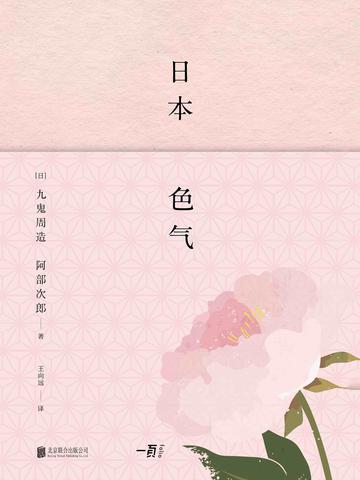
The color is——the snow-white neck exposed behind the kimono, the beautiful hands, slightly curved, the dangerous beauty, the heat of life. The mood is——the gray tones, cold colors, the chic figure, the white tea hakama. The mood has the past, but is born in the future. "Color", "spirit" and "pure" are unique aesthetic theories and body discourses in Japanese culture. They first appeared in the Edo period, were born among the machi people, and were born out of female body aesthetics. It can be said that this unique aesthetic theory originated from A vitality ignited from the bottom of society in the process of fighting against the constraints of ethics and aristocratic aesthetics. It is a kind of beauty of youth, rebelliousness and freedom that breaks away from the shackles of social ethics and breaks out from the gaps in orthodox culture. This book includes Shuzo Kuuki's "The Structure of Emotion" and Jiro Abe's "Literature and Sex in the Tokugawa Period". The two Japanese philosophers use cross-border research perspectives spanning aesthetics, linguistics, psychology, sociology and literature to interpret the most important aspects of Japanese culture from the customs, clothing and literature of the Edo period to body discourse and love relationships. The original and pioneering aesthetics, body and love theory trace their budding and development in history and culture, thereby discovering unique aesthetic discourses such as "spiritual energy", "color energy" and "quintessence" that grew out of Japanese local culture, and explore the vitality and inner passion of Eastern culture. It can be called a classic theoretical study of Eastern aesthetics.