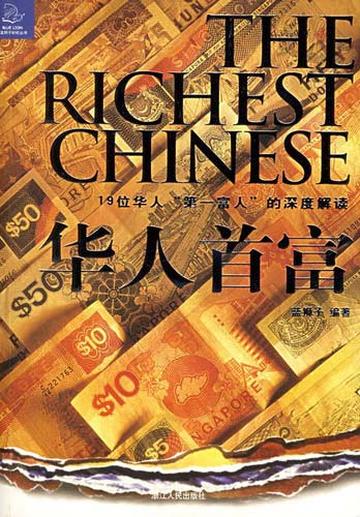
This book describes the growth stories of 19 of the "richest people" in the Chinese world: among this group of people, the oldest is 88 years old and the youngest is 32 years old, just three generations old. Among this group of people, the minimum amount of capital used to start a business was only 500 yuan, and the maximum amount was only $500,000. The average age of the richest people in mainland China is 44 years old, while the average age of the richest people in Hong Kong, Macao, Taiwan and Southeast Asia is over 70 years old. An in-depth interpretation of 19 Chinese "richest people"!
We hope you can "pick up" some business skills and life inspiration from these richest men. When the richest people use their lives to write down their life insights bit by bit, you can read something more enlightening and interesting from them than wealth.
Reader comments
A good book, it doesn't burn your brain, but it definitely increases your wisdom. I only read Mou Zhongzhong's article, and I read the rest when I don't want to burn my brain. Mou Zhongzhong's figure reminded me of Musk, but the difference is that Mou Zhongzhong's thoughts are too avant-garde. There are so many moths around him that he loses to personal spiritualism. This reminds me of Cai Lam's saying: Spend money on friends, and if you have money, treat your friends to dinner. People should not raise worms but talents and elites. Jobs spent a quarter of his life recruiting talents and paying tribute to madmen. I thought of a book I read not long ago that said: working with employees to drive employees to become superiors and being with employees and being willing to fight for their ideals. The final results of the two ideas are the same, but the adjectives are different. The harvest is also different.

A good book, it doesn't burn your brain, but it definitely increases your wisdom. I only read Mou Zhongzhong's article, and I read the rest when I don't want to burn my brain. Mou Zhongzhong's figure reminded me of Musk, but the difference is that Mou Zhongzhong's thoughts are too avant-garde. There are so many moths around him that he loses to personal spiritualism. This reminds me of Cai Lam's saying: Spend money on friends, and if you have money, treat your friends to dinner. People should not raise worms but talents and elites. Jobs spent a quarter of his life recruiting talents and paying tribute to madmen. I thought of a book I read not long ago that said: working with employees to drive employees to become superiors and being with employees and being willing to fight for their ideals. The final results of the two ideas are the same, but the adjectives are different. The harvest is also different.