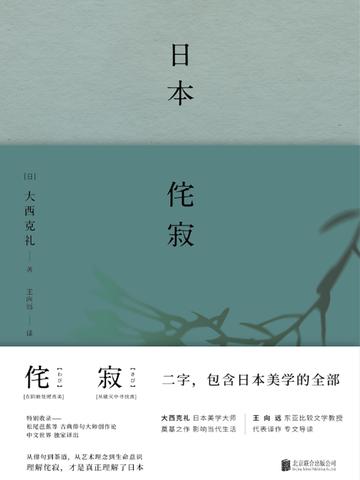
Wabi - illuminating beauty in the dark place. Sabita - finding truth from destruction. The word wabi-sabi contains all of Japanese aesthetics. "Wabi-sabi" is a key word for understanding Japanese culture and daily life. "Wabi" originates from the wabi tea method of Sen no Rikyu, the originator of Japanese tea ceremony: it is gloomy and silent, quaint, simple, restrained and rough after years of refinement; "Sabi" can be seen in the interesting works of Japanese haiku saint Matsuo Basho: chanting the ancient times, walking freely in daily life with an attitude of "more than enough". Wabi-sabi is the unique Japanese aesthetics from haiku to tea ceremony, from artistic concept to life consciousness. This book contains the aesthetic pioneering work of Kerry Onishi's study of "Wabi-Sabi". It uses Western philosophical thinking methods to innovatively interpret the core of Japanese culture and endow it with modernity. It is an art classic that re-understands and feels beauty. It also specifically includes the creative experience and aesthetic concepts of Matsuo Basho and classical haiku artists to restore the historical context and facilitate comparative reading.